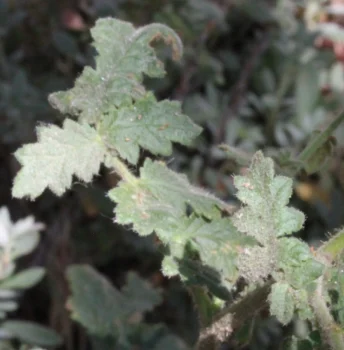
Branching Phacelia: A Native Southwest Gem for Your Garden
If you’re looking to add authentic southwestern charm to your garden while supporting local wildlife, branching phacelia (Phacelia ramosissima var. latifolia) might just be the native plant you’ve been searching for. This perennial herb brings both beauty and ecological value to the right garden setting, though it’s definitely not your typical suburban flower bed superstar.
What Makes Branching Phacelia Special?
Branching phacelia is a true native of the American Southwest, naturally occurring across Arizona, California, Nevada, and Utah. As a member of the borage family, this perennial forb (that’s garden-speak for a non-woody flowering plant) has earned its place in the native plant world through generations of adaptation to harsh desert conditions.
You might also see this plant listed under its synonyms Phacelia ramosissima var. suffrutescens or Phacelia suffrutescens, but don’t let the name confusion fool you – it’s the same wonderful native species.
- Species observed
- No observations
Why Your Garden Might Love This Plant
Here’s where branching phacelia really shines: it’s built for tough love. This native perennial thrives in conditions that would send many garden plants running for cover. If you’re dealing with poor soils, blazing sun, and limited water – congratulations, you’ve found your match!
While specific details about this particular variety are limited in horticultural literature, Phacelia species are renowned for their pollinator appeal. These plants typically produce clusters of small, tubular flowers that bees, butterflies, and other beneficial insects absolutely adore.
Where Does It Fit in Your Landscape?
Branching phacelia isn’t trying to be the star of a formal English garden – and that’s perfectly fine! This plant excels in:
- Native plant gardens focused on southwestern species
- Xeriscaping and drought-tolerant landscapes
- Rock gardens with excellent drainage
- Naturalized areas that mimic desert conditions
- Pollinator gardens in appropriate climate zones
Growing Branching Phacelia Successfully
The key to success with this native is remembering where it comes from. In the wild, branching phacelia has adapted to survive in environments that can be downright hostile to less hardy plants.
Climate Considerations: Based on its native range, this plant likely thrives in USDA hardiness zones 7-10, though microclimates and specific growing conditions can affect its adaptability.
Soil and Drainage: Like most desert natives, excellent drainage is non-negotiable. Heavy, water-logged soils are likely to spell disaster for this plant. Sandy, rocky, or amended clay soils with good drainage will serve it much better.
Water Needs: Once established, branching phacelia should be quite drought-tolerant. During establishment, provide moderate water, then gradually reduce frequency as the plant adapts to your garden.
Sun Exposure: Full sun is likely preferred, though some afternoon shade in extremely hot climates might be beneficial.
The Reality Check
Let’s be honest – specific growing information for Phacelia ramosissima var. latifolia is somewhat limited in mainstream horticultural sources. This isn’t necessarily a bad thing; it often means the plant is low-maintenance enough that it doesn’t require volumes of care instructions. However, it does mean you might need to do some experimenting to find what works best in your specific garden conditions.
If you’re new to native gardening or live outside this plant’s natural range, you might want to start with more widely cultivated native alternatives or consult with local native plant societies for region-specific advice.
Supporting Native Plant Diversity
By choosing branching phacelia, you’re not just adding a plant to your garden – you’re supporting biodiversity and helping preserve genetic diversity of native southwestern flora. While we don’t have specific information about its rarity status, every native plant grown in appropriate conditions contributes to conservation efforts.
When sourcing this plant, look for reputable native plant nurseries that ethically propagate their stock rather than wild-collecting. This ensures you’re supporting sustainable practices while getting a plant that’s more likely to thrive in cultivation.
The Bottom Line
Branching phacelia is a plant for gardeners who appreciate the understated beauty of native flora and want to create landscapes that work with nature rather than against it. While it may not have the flashy appeal of hybrid garden favorites, it offers something more valuable: authenticity, ecological function, and the satisfaction of growing something truly suited to its environment.
If you garden in the Southwest and are ready to embrace native plant gardening, branching phacelia could be a wonderful addition to your plant palette. Just remember to provide the well-draining conditions it craves, and let this hardy native show you what generations of desert adaptation can accomplish.