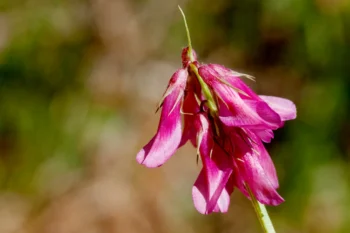
Brandegee’s Clover: A High-Altitude Native Worth Discovering
If you’re looking to add a touch of authentic Rocky Mountain charm to your garden, Brandegee’s clover (Trifolium brandegeei) might just be the hidden gem you’ve been searching for. This perennial native has been quietly carpeting high-elevation meadows long before gardeners knew what native landscaping even meant!
What Makes Brandegee’s Clover Special?
Brandegee’s clover is a true American native, belonging to the legume family and thriving naturally in the mountainous regions of Colorado and New Mexico. As a perennial forb, it returns year after year without the fuss of replanting, making it a reliable addition to any native plant collection.
You might occasionally see this plant listed under its botanical synonym, Trifolium kingii var. brandegeei, but don’t let that confuse you—it’s the same wonderful species named after botanist Townshend Stith Brandegee.
Where Does It Call Home?
This high-altitude specialist naturally occurs in Colorado and New Mexico, where it has adapted to the challenging conditions of montane and subalpine environments. It’s perfectly at home in areas that would make many garden plants throw in the trowel!
- Species observed
- No observations
Garden Appeal and Landscape Role
Brandegee’s clover brings classic clover charm with its distinctive three-leaflet leaves and rounded flower heads that bloom in white to soft pink. While it may not win any showiest flower contests, its understated beauty and authentic native credentials make it a valuable player in the right garden setting.
This plant shines in:
- Alpine and rock gardens
- Native plant collections
- Naturalized wildflower areas
- Erosion control on slopes
- Ground cover applications
Growing Conditions and Care
Here’s where Brandegee’s clover really shows its mountain heritage—it’s surprisingly low-maintenance once you understand its preferences:
Hardiness: Thrives in USDA zones 4-7, handling cold like the mountain native it is
Light: Prefers full sun but tolerates partial shade
Soil: Not picky about soil quality—actually prefers well-draining, even somewhat poor soils over rich, heavy earth
Water: Drought tolerant once established, though it appreciates occasional watering during extreme heat
Planting and Care Tips
The beauty of Brandegee’s clover lies in its simplicity. Once established, this tough little native requires minimal intervention. Here are some tips for success:
- Ensure good drainage—soggy soil is this mountain plant’s enemy
- Don’t over-fertilize; it actually prefers lean conditions
- Allow it to naturalize in appropriate settings
- Be patient during establishment—native plants often take time to settle in
Wildlife and Pollinator Benefits
Like most clovers, Brandegee’s clover serves as a valuable pollinator plant, attracting native bees, small butterflies, and other beneficial insects. Its flowers provide nectar and pollen, while the plant itself can serve as host habitat for various native species adapted to high-elevation environments.
Is Brandegee’s Clover Right for Your Garden?
This native clover is perfect for gardeners who:
- Want authentic regional natives
- Are creating alpine or rock garden displays
- Need low-maintenance ground cover
- Appreciate subtle, natural beauty over flashy blooms
- Garden in zones 4-7 with well-draining soils
However, it might not be the best choice if you’re looking for a dramatic focal point or if you garden in areas with heavy, poorly-draining soil.
The Bottom Line
Brandegee’s clover represents the quiet resilience of our native flora. While it may not be the most widely available or well-known native plant, it offers gardeners in appropriate climates a chance to grow something truly special—a piece of authentic Rocky Mountain heritage that supports local ecosystems while adding understated charm to naturalized plantings.
If you can source this native gem responsibly, it’s definitely worth adding to your collection of regional natives. After all, every garden benefits from plants that have spent millennia perfecting their survival skills in your local environment!