Brandegee’s Woollystar: A Rare California Native Worth Protecting
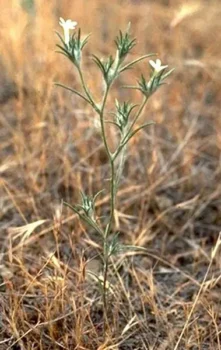
If you’re passionate about California native plants and have a soft spot for rare wildflowers, Brandegee’s woollystar (Eriastrum brandegeeae) might just capture your heart. This delicate annual forb represents one of those special botanical treasures that makes California’s flora so remarkable – but it comes with some important considerations for responsible gardeners.
What Makes Brandegee’s Woollystar Special
Brandegee’s woollystar is a charming little annual that belongs to the phlox family. True to its common name, this plant produces clusters of small, woolly flowers that range from white to pale blue, creating a soft, almost ethereal appearance in the landscape. As an annual forb, it completes its entire life cycle in one growing season, making it a fleeting but memorable addition to native plant communities.
You might also encounter this plant listed under its synonym, Eriastrum tracyi, in older botanical references, but Eriastrum brandegeeae is the accepted scientific name today.
A California Endemic with Conservation Concerns
This woollystar is exclusively native to California, where it has adapted to the state’s unique Mediterranean climate and diverse landscapes. However, here’s where gardeners need to pay close attention: Brandegee’s woollystar has conservation status rankings of S1Q and S3Q, which indicate it’s considered rare and potentially vulnerable.
- Species observed
- No observations
Important Note for Gardeners: Due to its rarity status, we strongly recommend only planting Brandegee’s woollystar if you can source seeds or plants through reputable native plant societies, botanical gardens, or conservation organizations that practice responsible collection methods. Never collect seeds or plants from wild populations.
Garden Value and Design Role
When responsibly sourced, Brandegee’s woollystar can play a wonderful role in specialized garden settings:
- Native wildflower gardens: Perfect for creating authentic California plant communities
- Conservation gardens: Helps support rare plant preservation efforts
- Pollinator gardens: Attracts small native bees and other beneficial insects
- Educational landscapes: Demonstrates California’s botanical diversity
Growing Conditions and Care
Like many California natives, Brandegee’s woollystar thrives in conditions that mimic its natural habitat:
- Sunlight: Full sun exposure
- Soil: Well-draining soils; avoid heavy clay or waterlogged conditions
- Water: Low water requirements once established; drought-tolerant
- Climate: Best suited for USDA hardiness zones 8-10, matching California’s Mediterranean climate
Planting and Establishment Tips
Since this is an annual plant, successful cultivation requires understanding its natural life cycle:
- Seeding time: Direct seed in fall to allow natural winter stratification
- Soil preparation: Ensure excellent drainage; consider raised beds if your soil is heavy
- Maintenance: Once established, requires minimal care – just let nature take its course
- Self-seeding: Allow plants to set seed for potential natural reseeding the following year
The Bottom Line: Conservation Through Cultivation
Brandegee’s woollystar represents both an opportunity and a responsibility for California gardeners. While its rarity means we can’t recommend casual cultivation, those committed to native plant conservation and able to source materials responsibly can help ensure this special wildflower continues to grace California landscapes.
If you can’t access responsibly sourced Brandegee’s woollystar, consider other California native Eriastrum species or similar wildflowers that aren’t as rare. Your local native plant society can suggest abundant alternatives that will provide similar aesthetic and ecological benefits without conservation concerns.
Remember, every rare plant grown in a garden from responsibly sourced material is potentially a seed source for future conservation efforts – making your garden part of a larger story of botanical preservation.