Brazilian Watermeal: The World’s Tiniest Native Aquatic Plant
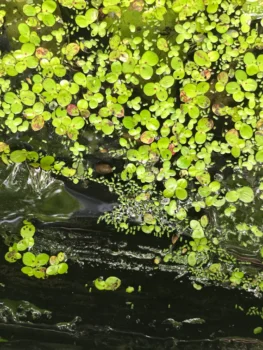
Meet Brazilian watermeal (Wolffia brasiliensis), a native aquatic plant that holds the remarkable distinction of being the world’s smallest flowering plant! Don’t expect to see any showy blooms though – this tiny green wonder is so small that its flowers are microscopic and rarely noticed. If you’re looking to add something truly unique to your water garden or pond, this little native might just surprise you.
What Exactly Is Brazilian Watermeal?
Brazilian watermeal is a perennial forb that spends its entire life floating on the surface of still or slow-moving water. Think of it as nature’s smallest green confetti – individual plants appear as tiny green dots, each no bigger than a pinhead. These miniature marvels lack traditional stems, leaves, and roots, instead consisting of a simple oval-shaped body called a frond.
This native species goes by several scientific names, including its synonyms Bruniera punctata, Wolffia papulifera, and Wolffia punctata, but Brazilian watermeal is its most commonly used name.
Where Does It Naturally Grow?
Brazilian watermeal is native to both the lower 48 states and Puerto Rico, making it a truly American native plant. You can find it naturally occurring across an impressive range of states, from Alabama and Arkansas to California and Connecticut, and everywhere from Florida to Wisconsin. It’s particularly widespread in the southeastern United States but has established populations throughout much of the country.
- Species observed
- No observations
This extensive native range speaks to the plant’s adaptability and its important role in North American aquatic ecosystems.
Why Consider Brazilian Watermeal for Your Garden?
While it might not win any beauty contests in the traditional sense, Brazilian watermeal offers several unique benefits for the right gardener:
- Native plant credentials: Supporting local ecosystems by growing native species
- Conversation starter: Growing the world’s smallest flowering plant is quite the claim to fame
- Low maintenance: Once established, it requires virtually no care
- Water coverage: Can quickly cover water surfaces, reducing algae growth
- Scientific interest: Perfect for budding botanists and nature enthusiasts
Ideal Growing Conditions
Brazilian watermeal has very specific habitat requirements, which makes sense given its obligate wetland status across all regions of the United States. This means it almost always occurs in wetland environments. Here’s what it needs to thrive:
- Water requirements: Still or very slow-moving freshwater bodies
- Water quality: Nutrient-rich water with adequate nitrogen and phosphorus
- Temperature: Warm water temperatures promote best growth
- Sunlight: Full sun to partial shade
- USDA zones: Hardy in zones 6-11, though can be grown as an annual in colder areas
Perfect Garden Settings
Brazilian watermeal isn’t for every garden, but it shines in these specific settings:
- Natural or naturalistic ponds
- Water gardens and aquatic plant collections
- Bog gardens with standing water
- Rain gardens with seasonal flooding
- Educational gardens focusing on native aquatic plants
Planting and Care Tips
Growing Brazilian watermeal is surprisingly simple once you understand its needs:
Getting started: Simply introduce small amounts to suitable water bodies. The plants will spread vegetatively through budding, creating new individuals that break away from the parent plant.
Maintenance: This is perhaps the lowest-maintenance plant you’ll ever grow. Once established, it needs no fertilizing, pruning, or special care.
Population control: In ideal conditions, Brazilian watermeal can multiply rapidly. Monitor coverage to ensure it doesn’t completely dominate your water feature.
Winter care: In colder climates, plants may die back in winter but often return from dormant buds when conditions warm up.
Wildlife and Ecological Benefits
While small, Brazilian watermeal plays an important role in aquatic ecosystems. It provides food for waterfowl and helps maintain water quality by absorbing excess nutrients that might otherwise fuel unwanted algae growth.
Is Brazilian Watermeal Right for You?
This native aquatic plant is perfect for gardeners who:
- Have water features and want to grow native species
- Appreciate unique and unusual plants
- Prefer extremely low-maintenance additions to their landscape
- Are interested in supporting local aquatic ecosystems
However, it might not be the best choice if you’re looking for traditional ornamental appeal or don’t have suitable aquatic growing conditions.
Brazilian watermeal proves that sometimes the smallest native plants can make the biggest impact on our understanding and appreciation of the natural world around us. While it may be tiny, its role in supporting healthy aquatic ecosystems makes it a worthy addition to the right water garden.