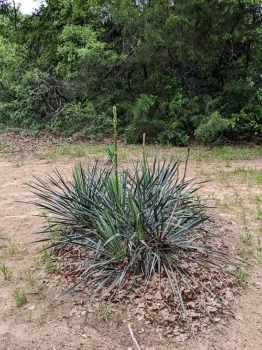
Brazos River Yucca: A Rare Texas Native Worth Protecting
If you’re passionate about native plants and conservation, the Brazos River yucca (Yucca necopina) might just capture your gardening heart. This perennial native is one of Texas’s botanical treasures, though you won’t find it growing just anywhere in the Lone Star State.
A True Texas Native
The Brazos River yucca is a homegrown Texas species, native to the lower 48 states and specifically found within Texas borders. As a member of the yucca family, this plant represents the hardy, drought-tolerant spirit that Texas natives are known for, but with a twist – it’s incredibly rare.
- Species observed
- No observations
Why This Plant Deserves Special Attention
Here’s where things get interesting (and important): Yucca necopina has a Global Conservation Status of S1S2, which puts it in the rare category. This means that in the wild, this species is uncommon and potentially vulnerable. For conservation-minded gardeners, this presents both an opportunity and a responsibility.
What Makes It Special
Unlike woody shrubs or trees, the Brazos River yucca is classified as a forb herb – essentially a vascular plant without significant woody tissue above ground. Think of it as having a softer, more herbaceous growth habit compared to some of its tougher yucca cousins, while still maintaining those characteristic perennating buds at or below ground level that help it survive through challenging conditions.
Should You Grow Brazos River Yucca?
The short answer is: maybe, but with important caveats. If you’re drawn to rare native plants and want to contribute to conservation efforts, this could be a meaningful addition to your garden. However, due to its rarity status, you should only consider planting it if you can source it responsibly.
Responsible Sourcing is Key
Because of its rare status, here’s what you need to know:
- Never collect plants or seeds from wild populations
- Only purchase from reputable native plant nurseries that propagate their own stock
- Ask nurseries about the origin of their plants – they should be able to trace them back to ethically sourced material
- Consider supporting conservation organizations working to protect this species
Growing Conditions and Care
While specific growing information for Yucca necopina is limited due to its rarity, we can make educated assumptions based on its Texas native status and yucca family characteristics. Most Texas yucca species thrive in:
- Well-draining soils (essential for preventing root rot)
- Full sun exposure
- Low to moderate water requirements once established
- Rocky or sandy soil conditions
Garden Design Considerations
If you’re fortunate enough to responsibly source this rare native, consider placing it in:
- Rock gardens or xeriscapes
- Native plant collections
- Conservation-focused landscapes
- Areas where its unique story can be shared with visitors
The Conservation Connection
By choosing to grow rare natives like the Brazos River yucca, you’re participating in something bigger than just gardening. You’re helping preserve genetic diversity, supporting local ecosystems, and potentially maintaining a safety net for species that might be struggling in their natural habitats.
Alternative Native Options
If you can’t find responsibly sourced Brazos River yucca, consider these more common Texas yucca natives that offer similar drought tolerance and native plant benefits:
- Yucca rupicola (Twisted-leaf yucca)
- Yucca pallida (Pale yucca)
- Yucca constricta (Buckley’s yucca)
The Bottom Line
The Brazos River yucca represents what makes native plant gardening so rewarding – the chance to connect with your local landscape’s unique botanical heritage. While its rarity means it’s not for every gardener or every garden, those who can grow it responsibly have the opportunity to be part of its conservation story. Just remember: with rare plants comes great responsibility!