Bretonica Peluda: A Hidden Gem for Southern Native Plant Gardens
Meet bretonica peluda (Melochia spicata), a charming native wildflower that’s been quietly thriving in the southeastern United States long before most gardeners knew its name. This unassuming little plant might not win any flashy flower contests, but it’s got personality, resilience, and a whole lot of ecological value packed into its modest frame.
What is Bretonica Peluda?
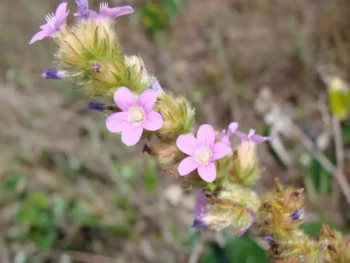
Bretonica peluda is a native forb—essentially a soft-stemmed flowering plant—that can behave as either an annual or perennial depending on growing conditions. As a member of the mallow family, it produces small, delicate pink to white flowers arranged in distinctive spikes that give the plant its species name spicata. The heart-shaped leaves add a touch of whimsy to this otherwise understated plant.
You might occasionally see this plant listed under several historical names, including Melochia hirsuta or Sida villosa, but don’t let the botanical name shuffle confuse you—it’s the same dependable native.
Where Does It Call Home?
This southeastern native has made itself comfortable across Florida, Georgia, and Puerto Rico, where it’s perfectly adapted to the region’s unique growing conditions. As a true native species, bretonica peluda has been supporting local ecosystems for centuries, making it an excellent choice for gardeners who want to work with nature rather than against it.
- Species observed
- No observations
Why Consider Bretonica Peluda for Your Garden?
Here’s where this modest plant really shines:
- Native credentials: Supporting local wildlife and ecosystems comes naturally to this plant
- Pollinator magnet: Small bees, butterflies, and other beneficial insects love those tiny flowers
- Water-wise choice: Thrives in moist conditions and can handle both wetlands and regular garden soil
- Low maintenance: Once established, it pretty much takes care of itself
- Naturalized beauty: Perfect for creating that wild garden look that’s so popular right now
Garden Role and Design Ideas
Bretonica peluda works beautifully as a ground cover in naturalized areas or as part of a mixed native plant community. It’s particularly at home in butterfly gardens, rain gardens, or any landscape design that celebrates regional flora. The plant’s modest height and spreading habit make it an excellent choice for filling in spaces between larger native shrubs and perennials.
This isn’t your typical showstopper centerpiece plant—instead, think of it as a reliable supporting actor that helps create a cohesive, authentic southern landscape.
Growing Conditions and Care
The beauty of working with native plants like bretonica peluda is that they’re already perfectly suited to local conditions. Here’s what this plant prefers:
- Hardiness: Thrives in USDA zones 8-11
- Sunlight: Adaptable from partial shade to full sun
- Soil: Moist to wet soils are ideal, though it’s surprisingly adaptable
- Water: Loves consistent moisture but can handle typical southern rainfall patterns
Planting and Care Tips
Getting bretonica peluda established is refreshingly straightforward:
- Plant in spring or fall when temperatures are moderate
- Choose a spot with good drainage despite its love of moisture
- Space plants about 12-18 inches apart if you’re creating a ground cover effect
- Water regularly during the first growing season to help establishment
- After that, let nature take the lead—this plant is wonderfully self-sufficient
- Don’t be surprised if it self-seeds and creates a lovely naturalized colony
The Wetland Connection
One particularly interesting aspect of bretonica peluda is its relationship with water. In the Atlantic and Gulf Coastal Plain regions, it’s classified as facultative, meaning it’s equally happy in wet or dry conditions. In Caribbean regions, it leans more toward wetland habitats. This flexibility makes it an excellent choice for gardeners dealing with variable moisture conditions or those creating rain gardens.
Wildlife and Ecosystem Benefits
While bretonica peluda might look delicate, it’s a workhorse when it comes to supporting local wildlife. Those small flowers provide nectar for native bees and butterflies, while the plant’s overall structure offers habitat for beneficial insects. By choosing native plants like this one, you’re essentially rolling out the welcome mat for the creatures that have called your region home for millennia.
Is Bretonica Peluda Right for Your Garden?
This native charmer is perfect for gardeners who appreciate subtle beauty and ecological value over flashy displays. If you’re creating a native plant garden, working on a naturalization project, or simply want to support local wildlife while enjoying a low-maintenance plant, bretonica peluda deserves a spot on your plant list.
Just remember that this isn’t a plant for formal, manicured gardens—its true beauty emerges when it’s allowed to naturalize and create the kind of authentic, wild spaces that both people and wildlife find irresistible.