Meet Breutel’s Notothylas: The Tiny Hornwort You’ve Probably Never Noticed
Have you ever wondered about those tiny, flat green patches you sometimes spot on moist soil in shaded areas? You might be looking at Breutel’s notothylas (Notothylas breutelii), a fascinating little hornwort that’s been quietly doing its thing in North American ecosystems for who knows how long.
What Exactly Is Breutel’s Notothylas?
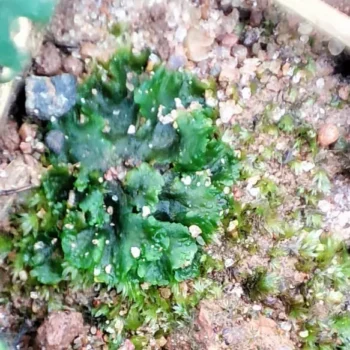
Breutel’s notothylas belongs to that often-overlooked group of plants called hornworts. Think of hornworts as the understated cousins of mosses and liverworts – they’re all part of the bryophyte family, but hornworts have their own unique charm. This particular species is a small, flat, green plant that forms thin, ribbon-like structures called thalli (that’s the fancy plural of thallus).
You might also see this little guy referenced by its scientific synonyms, including Anthoceros breutelii or Notothylas amazonica, depending on which old botanical text you’re reading. Scientists love to shuffle names around, don’t they?
Where Does It Call Home?
Breutel’s notothylas is native to North America, particularly thriving in the warmer, more humid regions. You’ll likely find it in the southeastern United States, where the climate provides the perfect balance of warmth and moisture that these little plants crave.
Spotting Breutel’s Notothylas in the Wild
Identifying this hornwort requires a bit of detective work since it’s quite small and unassuming. Here’s what to look for:
- Flat, green, ribbon-like structures growing close to the ground
- Usually found on moist, rich soil in shaded areas
- Often attached to organic matter like decaying wood or leaf litter
- Tiny and easy to miss – you might need to get down on your hands and knees
- No flowers or traditional leaves (remember, it’s a hornwort!)
Is It Good for Your Garden?
Here’s the thing about Breutel’s notothylas – you can’t really plant it in the traditional sense. This isn’t a species you’ll find at your local nursery, and you certainly can’t sow seeds or transplant divisions. Hornworts like this one appear naturally when conditions are just right.
But if you’re lucky enough to have Breutel’s notothylas show up in your garden naturally, consider it a good sign! Its presence often indicates:
- Healthy, undisturbed soil with good organic content
- Proper moisture levels in shaded areas
- A balanced ecosystem that supports diverse plant life
Creating Hornwort-Friendly Conditions
While you can’t actively grow Breutel’s notothylas, you can certainly create conditions that might encourage it (and other beneficial bryophytes) to appear naturally:
- Maintain shaded, moist areas in your garden
- Add organic matter like leaf litter to soil
- Avoid disturbing quiet corners of your landscape
- Keep soil consistently moist but not waterlogged
- Minimize chemical treatments that might harm delicate plant communities
The Bigger Picture
Breutel’s notothylas might be tiny, but it plays an important role in its ecosystem. Like other bryophytes, it helps with soil stabilization, water retention, and provides microhabitats for even smaller organisms. It’s part of that intricate web of life that makes healthy ecosystems tick.
So the next time you’re wandering through a shaded, moist area and spot some tiny green ribbons on the ground, take a moment to appreciate Breutel’s notothylas. It might not be the showiest plant in your garden, but it’s definitely one of the most interesting – a living link to some of the earliest land plants on Earth, quietly doing its part to keep our ecosystems healthy and diverse.