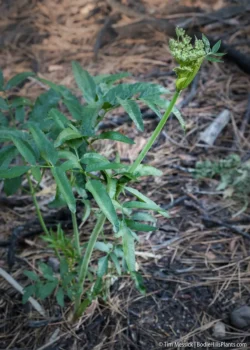
Brewer’s Angelica: A Majestic Native for Mountain Gardens
If you’re looking to add some serious drama to your native plant garden, meet Brewer’s angelica (Angelica breweri) – a towering beauty that brings both height and habitat value to mountain landscapes. This impressive perennial forb might not be the most common plant at your local nursery, but it’s definitely worth seeking out if you’re gardening in the right climate.
What Is Brewer’s Angelica?
Brewer’s angelica is a native perennial that belongs to the carrot family (Apiaceae), and boy, does it make its presence known! This isn’t your typical garden-variety herb – we’re talking about a substantial plant that can tower 3-6 feet tall with bold, compound leaves and stunning white flower clusters that look like nature’s own chandeliers.
As a true native of the American West, this plant has been thriving in California and Nevada’s mountain regions long before any of us started thinking about native gardening. You might also see it listed under its synonym Angelica arguta var. breweri in some plant databases.
Where Does Brewer’s Angelica Grow Naturally?
This mountain native calls California and Nevada home, specifically favoring the cooler, moister conditions found in montane and subalpine environments. It’s perfectly adapted to those elevation changes and seasonal temperature swings that define mountain life.
- Species observed
- No observations
Why Plant Brewer’s Angelica?
Here’s where this plant really shines in the garden:
- Architectural Impact: Those large, divided leaves and towering flower stalks create instant structure and visual interest
- Pollinator Magnet: The umbrella-shaped flower clusters (called umbels) are like highway rest stops for beneficial insects – bees, flies, and butterflies all love them
- Native Authenticity: You’re supporting local ecosystems and preserving regional plant heritage
- Low Maintenance: Once established, it’s adapted to local conditions and requires minimal intervention
Growing Conditions and Care
Brewer’s angelica isn’t the most demanding plant, but it does have some preferences that reflect its mountain origins:
- Climate: Hardy in USDA zones 5-8, perfect for cooler mountain gardens
- Light: Partial shade to full sun, though it appreciates some afternoon shade in hotter areas
- Soil: Well-draining but consistently moist soil – think mountain meadow conditions
- Water: Regular watering, especially during dry spells, but avoid waterlogged conditions
Planting and Care Tips
Getting Brewer’s angelica established is pretty straightforward if you keep a few things in mind:
- Plant in spring after the last frost when soil is workable
- Mulch around the base to help retain soil moisture and regulate temperature
- Be patient – as a perennial, it may take a season or two to reach its full impressive size
- Don’t panic if it goes dormant during extreme heat – this is normal mountain plant behavior
- Allow flower heads to remain through winter for seed production and wildlife benefit
Garden Design Ideas
This plant works beautifully in several garden settings:
- Native Plant Gardens: Use as a dramatic backdrop for smaller native wildflowers and grasses
- Woodland Gardens: Plant under the dappled light of taller trees alongside ferns and other shade lovers
- Naturalistic Landscapes: Perfect for creating that wild mountain meadow look
- Pollinator Gardens: An excellent addition to any butterfly or bee garden
A Word About Conservation
Here’s something important to keep in mind: Brewer’s angelica has a conservation status that suggests it’s not super abundant in the wild. This doesn’t mean you shouldn’t grow it – quite the opposite! Growing native plants in our gardens can actually help preserve them. Just make sure you’re getting your plants or seeds from reputable nurseries that source their material responsibly, rather than collecting from wild populations.
The Bottom Line
If you’re gardening in the right climate zone and have the space for a substantial native plant, Brewer’s angelica could be exactly what your landscape needs. It offers four-season interest, supports local wildlife, and brings that authentic mountain meadow feel to your garden. Plus, there’s something deeply satisfying about growing a plant that’s been calling your region home for thousands of years.
Just remember to give it the moisture it craves and the space it needs to spread those impressive leaves, and you’ll have a showstopper that both you and the local pollinators will appreciate for years to come.