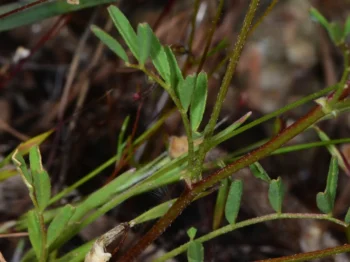
Brewer’s Milkvetch: A Rare California Native Worth Protecting
If you’re passionate about California native plants and conservation, Brewer’s milkvetch might just capture your gardening heart. This delicate annual wildflower represents both the beauty and fragility of California’s native flora, making it a meaningful addition to the right garden setting.
What Makes Brewer’s Milkvetch Special?
Brewer’s milkvetch (Astragalus breweri) is a true California native, found exclusively in the Golden State. This charming annual produces clusters of small, pea-like flowers that range from white to pale purple, creating a subtle but lovely display in spring. The plant’s delicate, pinnately compound leaves add an airy texture to native plant gardens.
As a member of the legume family, this little powerhouse actually improves soil health by fixing nitrogen through specialized root nodules—talk about a plant that gives back to the garden!
Where Does It Call Home?
This California endemic has a relatively limited range, growing naturally in the Central Valley and surrounding foothill areas. Its restricted distribution is part of what makes it so special—and so vulnerable.
- Species observed
- No observations
A Word of Caution: Rarity Matters
Here’s something every responsible gardener should know: Brewer’s milkvetch has a Global Conservation Status of S3, meaning it’s considered vulnerable. With typically only 21 to 100 known occurrences and between 3,000 and 10,000 individuals remaining in the wild, this plant needs our protection.
If you’re considering adding this species to your garden, please ensure you source seeds or plants only from reputable native plant nurseries that propagate their own stock. Never collect from wild populations—every plant in nature counts toward the species’ survival.
Growing Brewer’s Milkvetch Successfully
As an annual, Brewer’s milkvetch completes its entire life cycle in one growing season, making timing crucial for success.
Ideal Growing Conditions
- Sunlight: Full sun exposure
- Soil: Well-draining soils; avoid heavy clay or constantly moist conditions
- Water: Minimal irrigation once established; follows California’s natural rainfall patterns
- Climate: USDA hardiness zones 8-10, adapted to California’s Mediterranean climate
Planting and Care Tips
- Direct seed in fall to allow natural winter stratification
- Scatter seeds lightly and barely cover with soil
- Water gently during germination, then reduce as plants establish
- Avoid fertilizers—these plants prefer lean soils
- Allow plants to self-seed for natural regeneration
Perfect Garden Settings
Brewer’s milkvetch shines in specialized garden settings rather than traditional landscapes. Consider it for:
- Native California plant gardens
- Restoration projects
- Wildflower meadows
- Rock gardens with Mediterranean plants
- Educational or demonstration gardens focusing on rare natives
Supporting California’s Ecosystem
Beyond its conservation value, Brewer’s milkvetch plays an important role in supporting native pollinators. The small flowers attract native bees and other beneficial insects that have co-evolved with California’s native plants. By growing this species, you’re creating habitat for creatures that might otherwise struggle to find suitable food sources.
The Bottom Line
Brewer’s milkvetch isn’t for every garden or every gardener—and that’s perfectly okay. This rare native requires commitment to conservation principles and acceptance of its annual nature. But for those passionate about preserving California’s botanical heritage and supporting native ecosystems, few plants offer such a meaningful way to make a difference right in your own backyard.
Remember: with great rarity comes great responsibility. If you choose to grow Brewer’s milkvetch, you’re not just adding a plant to your garden—you’re becoming a guardian of California’s natural heritage.