Brewer’s Sedge: A Hardy Native Grass for Western Gardens
If you’re looking for a low-maintenance, drought-tolerant native plant that adds subtle beauty to your garden, let me introduce you to Brewer’s sedge (Carex breweri). This unassuming but resilient perennial grass might just become your new favorite groundcover, especially if you’re gardening in the western United States.
What is Brewer’s Sedge?
Brewer’s sedge is a native perennial sedge that belongs to the grass-like plant family. Don’t let its humble appearance fool you – this hardy little plant packs a punch when it comes to garden performance. As a true native of the American West, it has spent thousands of years perfecting its survival skills in challenging mountain and foothill environments.
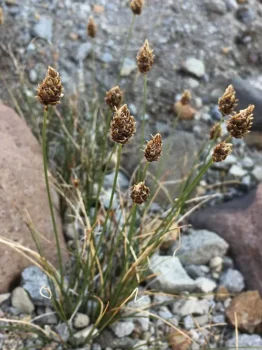
This graminoid (that’s fancy talk for grass-like) plant forms attractive clumps of narrow, dark green foliage that arch gracefully outward. During summer, it produces small, inconspicuous brownish flower spikes that add a subtle textural element without being showy.
Where Does Brewer’s Sedge Call Home?
Brewer’s sedge is native to four western states: California, Idaho, Oregon, and Washington. In the wild, you’ll typically find it growing in montane and subalpine regions, where it has adapted to survive everything from snow-covered winters to dry summers.
- Species observed
- No observations
Why Garden with Brewer’s Sedge?
Here’s where this sedge really shines – it’s practically bulletproof once established. If you’re tired of babying finicky plants, Brewer’s sedge might be your gardening soulmate. Here are the top reasons to consider adding it to your landscape:
- Drought tolerance that would make a cactus jealous
- Thrives in poor soils where other plants struggle
- Requires virtually no maintenance
- Provides excellent erosion control on slopes
- Adds fine, graceful texture to garden designs
- Supports native wildlife with seeds for birds
Perfect Garden Companions and Uses
Brewer’s sedge isn’t a show-off plant – it’s more like the reliable friend who’s always there when you need them. This makes it perfect for:
- Mountain and rock gardens where toughness counts
- Naturalistic landscapes that mimic wild spaces
- Woodland understory plantings
- Mixed borders where you need fine texture
- Erosion control on challenging slopes
It pairs beautifully with other western natives like manzanita, ceanothus, and native wildflowers, creating authentic regional plant communities.
Growing Conditions and Care
The beauty of Brewer’s sedge lies in its adaptability. It’s happy in both partial shade and full sun, though it appreciates some afternoon shade in hotter climates. This sedge prefers moist, well-draining soil but won’t sulk if the drainage isn’t perfect.
Hardy in USDA zones 4-8, this tough sedge can handle serious cold as well as summer heat. Once established, it’s remarkably drought tolerant, making it an excellent choice for water-wise gardens.
Planting and Establishment Tips
Getting Brewer’s sedge established is refreshingly straightforward:
- Plant in spring for best establishment
- Water regularly during the first growing season
- Space plants 12-18 inches apart for groundcover effect
- Mulch lightly to retain moisture and suppress weeds
- After the first year, step back and let it do its thing
This sedge spreads slowly by underground rhizomes, gradually forming larger colonies without becoming aggressive. Think of it as the polite houseguest of the plant world.
Wildlife and Ecological Benefits
While Brewer’s sedge won’t attract clouds of butterflies like showy wildflowers, it provides important ecological services. The seeds feed small birds and wildlife, and the dense growth provides shelter for beneficial insects and small creatures. As a wind-pollinated plant, it doesn’t rely on pollinators, but it certainly supports the overall ecosystem.
Is Brewer’s Sedge Right for Your Garden?
If you garden in California, Idaho, Oregon, or Washington and appreciate low-maintenance natives that provide subtle beauty and ecological benefits, Brewer’s sedge deserves serious consideration. It’s particularly valuable for gardeners dealing with challenging sites like slopes, poor soils, or areas that receive inconsistent water.
This isn’t the plant for gardeners seeking dramatic flowers or rapid growth. But if you value resilience, authenticity, and plants that connect your garden to the natural landscape, Brewer’s sedge might be exactly what you’ve been looking for.
Sometimes the most valuable plants are the quiet ones that simply do their job year after year, asking for nothing and giving back plenty. In the world of native western plants, Brewer’s sedge is definitely one of the good guys.