Brewster County Barometerbush: A Weather-Predicting Wonder for Your Texas Garden
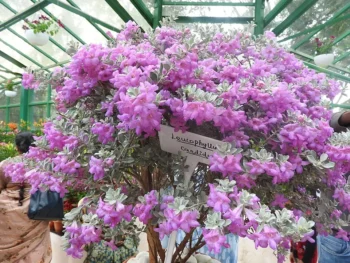
Meet the Brewster County barometerbush (Leucophyllum candidum), a truly remarkable native Texas shrub that seems to have a sixth sense about the weather. This silvery-leafed beauty has earned its barometer nickname because it bursts into spectacular bloom right after rain – as if it’s celebrating the arrival of precious desert moisture!
What Makes This Plant Special
The Brewster County barometerbush is a true Texas native, calling the rugged Big Bend region home. This perennial shrub typically grows 4-5 feet tall and wide, creating a lovely rounded form that works beautifully as a specimen plant or informal hedge. Its most striking feature is the contrast between its silvery-gray foliage and the vibrant purple to violet tubular flowers that appear seemingly overnight after rainfall.
Where You’ll Find It Growing Wild
This special barometerbush is found naturally in Texas, particularly in Brewster County and the surrounding Big Bend area. It’s perfectly adapted to the challenging desert conditions of this region, making it an excellent choice for gardeners dealing with similar hot, dry climates.
- Species observed
- No observations
Why Your Garden (and Local Wildlife) Will Love It
There are plenty of reasons to fall in love with the Brewster County barometerbush:
- Incredible drought tolerance: Once established, this tough plant can survive on minimal water
- Pollinator magnet: Bees, butterflies, and hummingbirds flock to its nectar-rich blooms
- Low maintenance: Requires very little care once settled in
- Unique blooming pattern: The dramatic post-rain flowering creates natural excitement in your garden
- Year-round structure: The silvery foliage provides beautiful color and texture even when not in bloom
Perfect Garden Settings
The Brewster County barometerbush shines in:
- Xeriscape and drought-tolerant gardens
- Native plant landscapes
- Desert-themed gardens
- Low-water usage designs
- Informal hedges or borders
- Pollinator gardens
Growing Conditions That Make It Happy
This adaptable shrub is surprisingly easy to please:
- Sunlight: Loves full sun – the more, the better
- Soil: Well-draining soil is essential; it can’t tolerate wet feet
- Water: Drought tolerant once established, but appreciates occasional deep watering
- Hardiness: Thrives in USDA zones 8-10
Planting and Care Tips for Success
When to plant: Fall or spring planting gives your barometerbush the best start.
Planting process: Dig a hole as deep as the root ball and twice as wide. Make sure your soil drains well – if water pools after rain, consider creating a raised planting area or adding coarse sand to improve drainage.
Watering: Water regularly the first year to help establish roots, then back off significantly. This plant actually performs better with some drought stress once mature.
Pruning: Light pruning after the blooming period helps maintain shape, but heavy pruning isn’t necessary or recommended.
Fertilizing: Generally unnecessary – this tough native prefers lean soils and can actually become less drought-tolerant if over-fertilized.
A Few Things to Keep in Mind
While the Brewster County barometerbush is generally problem-free, remember that it’s adapted to very specific conditions. It won’t tolerate heavy clay soils, excessive moisture, or deep shade. If your garden doesn’t match its natural desert habitat preferences, you might want to consider other native alternatives that are better suited to your specific conditions.
The blooming pattern, while fascinating, can be unpredictable – don’t expect flowers on a schedule! The plant blooms in response to humidity changes and rainfall, so you’ll need to be patient and let nature take its course.
The Bottom Line
If you’re gardening in Texas or a similar hot, dry climate and want a truly special native plant that supports local wildlife while requiring minimal care, the Brewster County barometerbush is an excellent choice. Its unique weather-responsive blooming habit makes it a conversation starter, while its drought tolerance and pollinator appeal make it a practical addition to sustainable landscapes. Just give it sun, good drainage, and room to show off its natural beauty!