Bride’s Bonnet: A Charming Native Wildflower for Cool, Shady Gardens
If you’re looking for a delicate native wildflower that thrives in the cool, shaded corners of your garden, bride’s bonnet (Clintonia uniflora) might just be the perfect addition. This charming perennial brings a touch of woodland magic to any landscape with its simple elegance and understated beauty.
What is Bride’s Bonnet?
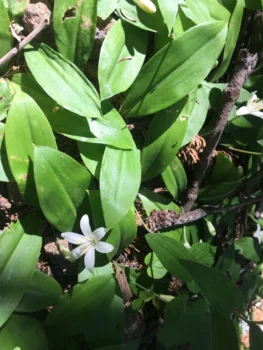
Bride’s bonnet is a native North American perennial forb that belongs to the lily family. True to its romantic common name, this plant produces a single, delicate white bell-shaped flower that gracefully nods from atop a slender 2-6 inch stem. The flower sits above a rosette of 2-4 glossy, bright green basal leaves that can reach up to 8 inches long.
After flowering in late spring to early summer, bride’s bonnet develops small, bright blue berries that add another season of interest to your garden. These berries are not only attractive but also provide food for birds and other wildlife.
Where Does Bride’s Bonnet Grow Naturally?
This lovely wildflower is native to the cool, mountainous regions of western North America. You’ll find it naturally occurring in Alberta, British Columbia, Alaska, California, Idaho, Montana, Oregon, and Washington. Bride’s bonnet thrives in the understory of coniferous and mixed forests, where it enjoys the cool, moist conditions and dappled sunlight.
- Species observed
- No observations
Why Grow Bride’s Bonnet in Your Garden?
There are several compelling reasons to consider adding bride’s bonnet to your landscape:
- Native plant benefits: As a native species, it supports local ecosystems and requires less water and maintenance once established
- Unique beauty: The single white flower and glossy leaves create an elegant, minimalist aesthetic
- Wildlife value: Flowers attract small native bees and flies, while berries feed birds
- Low maintenance: Once established, it requires minimal care
- Seasonal interest: Offers flowers in spring/early summer and colorful berries later in the season
Ideal Garden Settings
Bride’s bonnet is perfect for:
- Woodland and shade gardens
- Native plant gardens
- Rock gardens in cooler climates
- Naturalizing areas under trees
- Alpine or mountain garden themes
This plant works beautifully as a groundcover in shaded areas or as an accent plant in woodland settings. Its low-growing habit and spreading nature make it excellent for filling in difficult shady spots where other plants might struggle.
Growing Conditions and Care
USDA Hardiness Zones: 3-7
Light Requirements: Partial to full shade. Bride’s bonnet prefers the dappled light conditions found under trees rather than deep, dark shade or full sun.
Soil Needs: Cool, consistently moist, well-draining, acidic soil rich in organic matter. Think forest floor conditions – loose, humusy soil that retains moisture but doesn’t become waterlogged.
Water Requirements: Consistent moisture is key. This plant doesn’t tolerate drought well and needs regular watering, especially during dry spells.
Planting and Establishment Tips
Growing bride’s bonnet successfully requires patience and attention to its specific needs:
- Plant in spring: This gives the plant time to establish before winter
- Choose the right spot: Cool, shaded areas with protection from hot afternoon sun
- Soil preparation: Amend heavy soils with organic matter to improve drainage while retaining moisture
- Mycorrhizal relationships: Like many woodland plants, bride’s bonnet benefits from mycorrhizal fungi. Consider adding mycorrhizal inoculant when planting
- Be patient: This plant is slow to establish and may take 2-3 years to reach maturity
- Minimal fertilization: Avoid heavy fertilizers; a light application of compost in spring is sufficient
Potential Challenges
While bride’s bonnet is a wonderful native plant, it’s not suitable for every garden situation:
- Climate limitations: Requires cool, humid conditions and may struggle in hot, dry climates
- Slow establishment: Takes time to get established and spread
- Specific soil needs: Requires consistently moist, acidic soil
- Limited availability: May be harder to find at typical garden centers
The Verdict
Bride’s bonnet is an excellent choice for gardeners in cooler climates who want to create authentic woodland garden settings. While it requires specific growing conditions and patience to establish, the reward is a charming native plant that provides unique beauty and ecological benefits. If you have the right conditions – cool, shaded, and consistently moist – this delightful wildflower will reward you with years of subtle beauty and the satisfaction of growing a true native gem.
For gardeners in warmer or drier climates, consider other native alternatives that are better suited to your specific conditions. Your local native plant society can provide recommendations for native wildflowers that will thrive in your particular region.