Bridges’ Brodiaea: A Hidden Gem for Water-Wise Western Gardens
If you’re looking for a low-maintenance native wildflower that delivers stunning spring blooms without demanding constant attention, let me introduce you to Bridges’ brodiaea (Triteleia bridgesii). This charming West Coast native might not be a household name, but it’s definitely worth getting to know—especially if you’re tired of babying thirsty plants through hot summers!
What is Bridges’ Brodiaea?
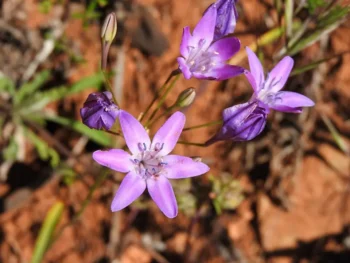
Bridges’ brodiaea is a perennial forb that grows from underground bulbs, producing gorgeous clusters of blue to purple tubular flowers that dance atop slender stems. Also known scientifically as Brodiaea bridgesii, this native wildflower belongs to a group of plants that have mastered the art of thriving in California and Oregon’s Mediterranean climate.
As a true native of the lower 48 states, this plant has spent thousands of years perfecting its survival strategy in the challenging conditions of grasslands, oak woodlands, and chaparral throughout California and Oregon. Talk about local expertise!
- Species observed
- No observations
Why Your Garden Will Love Bridges’ Brodiaea
Here’s where things get exciting for us gardeners who appreciate both beauty and practicality:
Aesthetic Appeal That Packs a Punch
From late spring to early summer, Bridges’ brodiaea puts on quite a show with its clusters of trumpet-shaped flowers in lovely shades of blue and purple. The blooms sit elegantly atop tall, slender stems that sway gracefully in the breeze—creating a naturalized look that feels both wild and refined.
Pollinator Paradise
Bees, butterflies, and other beneficial insects absolutely adore the nectar-rich flowers. If you’re working to create a pollinator-friendly garden, this native beauty will definitely earn you some buzzing approval from your six-legged visitors.
Drought-Tolerance Champion
Once established, Bridges’ brodiaea laughs in the face of summer drought. This plant has evolved to handle California and Oregon’s dry summers by going dormant—basically taking a well-deserved nap until the rains return.
Perfect Garden Companions and Landscape Roles
Bridges’ brodiaea shines brightest in:
- Native plant gardens where it can mingle with other regional favorites
- Mediterranean-style landscapes that celebrate water-wise beauty
- Rock gardens where its delicate flowers provide soft contrast to harder elements
- Naturalized wildflower meadows where it can spread and create drifts of color
- Xeriscapes where every plant needs to pull its weight in the water-conservation department
Growing Bridges’ Brodiaea Successfully
Climate and Hardiness
This resilient native thrives in USDA hardiness zones 7-10, making it perfect for much of the western United States where it naturally occurs.
Ideal Growing Conditions
Bridges’ brodiaea isn’t particularly fussy, but it does have preferences:
- Sunlight: Full sun to partial shade (though it blooms best with plenty of morning sun)
- Soil: Well-draining soil is absolutely essential—these bulbs will rot in soggy conditions
- Water: Moderate water during growing season, but allow to dry out during summer dormancy
- Soil type: Adaptable to various soil types as long as drainage is good
Planting and Care Tips
Here’s how to set your Bridges’ brodiaea up for success:
- Timing: Plant bulbs in fall, ideally between October and December
- Depth: Plant bulbs about 3-4 inches deep and 3-6 inches apart
- Establishment: Water regularly during the first year to help bulbs establish
- Summer care: Resist the urge to water during summer dormancy—the plants need this dry rest period
- Maintenance: Allow foliage to die back naturally to feed the bulbs for next year’s show
A Few Things to Keep in Mind
While Bridges’ brodiaea is generally easy-going, here are some considerations:
The summer dormancy period means the foliage will disappear completely, leaving bare spots in your garden. Plan accordingly by interplanting with companions that look good during summer months, or embrace the natural cycle by using this plant in wilder, more naturalized areas.
Also, like many bulb plants, Bridges’ brodiaea may take a year or two to really hit its stride in your garden. Be patient—good things come to those who wait!
The Bottom Line
Bridges’ brodiaea offers that perfect combination of native plant benefits and garden-worthy beauty that makes it a smart choice for water-conscious gardeners in the western states. It supports local pollinators, requires minimal care once established, and provides lovely spring color that feels both sophisticated and wild.
If you’re ready to embrace a more sustainable approach to gardening while still enjoying beautiful blooms, Bridges’ brodiaea might just be the native plant you’ve been looking for. Your garden—and your local ecosystem—will thank you for it!