Bridges’ Catchfly: A Delightful California Native for Your Garden
Meet Bridges’ catchfly (Silene bridgesii), a charming California native that’s been quietly stealing hearts in gardens across the Golden State. This petite perennial might not be the showiest plant in your garden, but what it lacks in size, it more than makes up for in charm and ecological value.
What Makes Bridges’ Catchfly Special?
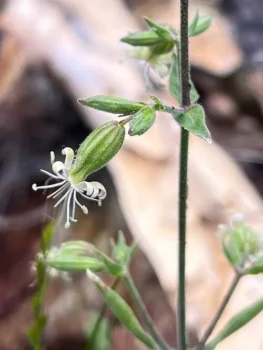
This lovely forb – that’s garden-speak for a non-woody flowering plant – produces delicate white to pale pink flowers that look like tiny stars scattered across your garden. Each bloom features deeply notched petals that give the flowers an almost fringed appearance, creating a soft, romantic effect that’s hard to resist.
As a true California native, Bridges’ catchfly has spent countless generations adapting to the state’s unique climate and growing conditions. This means it’s naturally suited to thrive in California gardens with minimal fuss – always a win in our book!
Where Does It Call Home?
Bridges’ catchfly is endemic to California, meaning you won’t find it growing wild anywhere else in the world. It naturally occurs throughout the Sierra Nevada and coastal mountain ranges, where it has adapted to a variety of elevations and microclimates.
- Species observed
- No observations
Why Your Garden (and Local Wildlife) Will Love It
Here’s where this little plant really shines: it’s a pollinator magnet! The nectar-rich flowers attract native bees, butterflies, and moths, making your garden a valuable pit stop for these important pollinators. In our increasingly developed landscape, every pollinator-friendly plant makes a difference.
From a design perspective, Bridges’ catchfly works beautifully as:
- A ground cover in rock gardens
- An accent plant in native plant gardens
- A naturalistic touch in xeric (dry) landscapes
- A companion plant in wildflower meadows
Growing Bridges’ Catchfly Successfully
The good news? This plant is relatively low-maintenance once you understand its preferences. Here’s what you need to know:
Perfect Growing Conditions
Bridges’ catchfly thrives in USDA hardiness zones 7-10, making it suitable for most of California. It prefers:
- Well-draining, sandy or rocky soils (heavy clay is not its friend)
- Full sun to partial shade
- Minimal summer water once established
- Good air circulation
Planting and Care Tips
Fall is the ideal time to plant Bridges’ catchfly, as this gives the roots time to establish before the hot, dry summer months. Here’s your action plan:
- Plant in well-amended, fast-draining soil
- Water regularly during the first growing season to help establishment
- Once established, water deeply but infrequently
- Skip the fertilizer – this plant prefers lean soil
- Allow the soil to dry out between waterings
- Deadhead spent flowers to encourage continued blooming
Is Bridges’ Catchfly Right for Your Garden?
This plant is perfect for gardeners who want to support local ecosystems while enjoying a low-maintenance, drought-tolerant perennial. It’s especially ideal if you’re creating a native plant garden, rock garden, or any landscape design that celebrates California’s natural beauty.
However, if you’re looking for a bold, high-impact specimen plant or need something for consistently moist conditions, you might want to consider other options. Bridges’ catchfly is more of a subtle beauty – the kind of plant that rewards close observation and fits beautifully into naturalistic garden designs.
By choosing native plants like Bridges’ catchfly, you’re not just adding beauty to your garden – you’re helping to preserve California’s unique botanical heritage and support the wildlife that depends on these plants. Now that’s what we call a win-win!