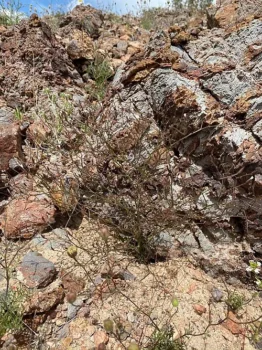
Brightwhite (Prenanthella exigua): A Mysterious Native Wildflower
If you’re looking for a truly unique addition to your native plant garden, you might be intrigued by brightwhite (Prenanthella exigua). This perennial forb is one of those mystery plants that keeps botanists and native plant enthusiasts on their toes – there’s still quite a bit we don’t know about this elusive species!
What is Brightwhite?
Brightwhite is a native perennial forb, which simply means it’s a non-woody flowering plant that comes back year after year. As a forb, it lacks the significant woody tissue that you’d find in shrubs or trees, instead producing soft stems that emerge from buds at or below ground level each growing season.
This plant goes by the scientific name Prenanthella exigua, though you might also see it referenced under its botanical synonym, Lygodesmia exigua. The common name brightwhite gives us a hint about what to expect from this plant’s appearance, though details about its specific characteristics remain somewhat mysterious in horticultural literature.
Where Does Brightwhite Grow Naturally?
Brightwhite is native to the lower 48 states and has quite an impressive natural range. You can find this hardy perennial growing wild across ten states: Arizona, California, Colorado, Idaho, Nevada, New Mexico, New York, Oregon, Texas, and Utah. This wide distribution suggests it’s a fairly adaptable plant that can handle diverse growing conditions across different regions.
- Species observed
- No observations
The Challenge of Growing Brightwhite
Here’s where things get interesting – and a bit frustrating for us gardeners! Brightwhite falls into that category of native plants that are scientifically documented but have very little information available about cultivation, care, or even basic growing requirements. This isn’t uncommon with some of our lesser-known native species.
What we don’t currently know about brightwhite includes:
- Specific growing conditions and soil preferences
- USDA hardiness zones
- Mature size and growth rate
- Pollinator and wildlife benefits
- Propagation methods
- Ideal garden settings
Should You Try Growing Brightwhite?
Given the limited information available, brightwhite might not be the best choice for beginning native plant gardeners. However, if you’re an experienced gardener who loves a challenge and wants to contribute to our understanding of lesser-known native species, this could be an interesting project!
Since we know it’s native across such a wide geographic range, it’s likely more adaptable than many specialty natives. If you live within its natural range and can source seeds or plants responsibly, you might consider giving it a try as an experimental addition to your native plant collection.
Alternative Native Plants to Consider
If you’re drawn to the idea of growing brightwhite but want something with more established growing information, consider looking for other native forbs from your specific region. Your local native plant society or extension office can help you identify well-documented native perennials that would thrive in your area and provide known benefits to local wildlife.
The Bottom Line
Brightwhite represents one of those fascinating gaps in our horticultural knowledge. While it’s clearly a legitimate native species with a broad natural range, the lack of cultivation information makes it more of a botanical curiosity than a garden staple at this point. If you’re up for some plant detective work and happen to find a source for this mysterious native, it could be a rewarding addition to a collection focused on rare or unusual native species – just don’t expect detailed care instructions!