Bristlecone Cryptantha: A Rare Alpine Gem Worth Protecting
If you’re drawn to rare and unusual native plants, the bristlecone cryptantha (Cryptantha roosiorum) might catch your attention. This diminutive perennial herb represents one of California’s most specialized and imperiled wildflowers, making it a fascinating but challenging addition to the right garden setting.
What Makes Bristlecone Cryptantha Special
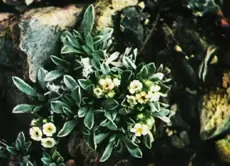
Bristlecone cryptantha is a small, herbaceous perennial that belongs to the borage family. True to its name and family heritage, this little plant produces clusters of tiny white flowers and sports the characteristically fuzzy, bristly foliage that gives cryptanthas their distinctive texture. Don’t expect a showy display – this is a plant appreciated more for its rarity and ecological significance than for bold garden impact.
Where It Calls Home
This California endemic has one of the most restricted ranges you’ll find among native plants. Bristlecone cryptantha grows naturally only in the high-elevation areas of California’s White Mountains and Inyo Mountains, where it has adapted to some pretty harsh conditions. We’re talking about a plant that thrives in the same challenging alpine environment as the ancient bristlecone pines – hence the common name.
- Species observed
- No observations
A Plant in Peril
Here’s where things get serious: bristlecone cryptantha carries a Global Conservation Status of S2, meaning it’s considered imperiled. With only 6 to 20 known occurrences and an estimated 1,000 to 3,000 individual plants remaining in the wild, this species faces real threats to its survival. Climate change, habitat disturbance, and the plant’s naturally limited range all contribute to its precarious status.
If you’re considering growing this plant, please only source it from reputable native plant nurseries that propagate from legally and ethically collected seeds – never collect from wild populations.
Garden Role and Landscape Use
Bristlecone cryptantha isn’t your typical garden center find, and honestly, it’s not suited for most garden situations. This is a plant for:
- Specialized rock gardens that mimic alpine conditions
- Native plant collections focused on rare California species
- Educational or conservation-focused landscapes
- Gardens designed to showcase high-elevation plant communities
Think of it as the botanical equivalent of a museum piece – beautiful and meaningful, but requiring very specific conditions to thrive.
Growing Conditions and Care
If you’re up for the challenge, bristlecone cryptantha demands conditions that mirror its high-altitude homeland:
- Drainage: Absolutely crucial – think sharp-draining, rocky soil that never stays wet
- Elevation and climate: Best suited for USDA hardiness zones 4-7, with cold winters and dry summers
- Sun exposure: Full sun to partial shade
- Water: Minimal irrigation once established; avoid summer water if possible
- Soil: Rocky, mineral-rich soil with excellent drainage
Pollinator and Wildlife Benefits
While small, the white flower clusters do provide nectar for specialized high-elevation pollinators, including small native bees and other insects adapted to alpine conditions. In its natural habitat, it plays a role in supporting the unique pollinator communities of California’s high mountains.
The Bottom Line
Bristlecone cryptantha represents both an opportunity and a responsibility. If you have the right conditions – excellent drainage, appropriate climate, and commitment to conservation – growing this rare native can contribute to its preservation while connecting you to California’s unique high-elevation flora. However, most gardeners would be better served by choosing more adaptable native alternatives that can provide similar ecological benefits without the specialized requirements.
For those interested in supporting California’s native plant diversity, consider exploring other Cryptantha species or high-elevation natives that are less imperiled but equally fascinating. Sometimes the greatest act of plant love is knowing when to admire from afar while supporting conservation efforts that protect wild populations in their natural homes.