Bristlecone Fir: California’s Rarest Conifer Treasure
Meet one of North America’s most exclusive trees – the bristlecone fir (Abies bracteata). Don’t let the name fool you though; this isn’t your typical bristlecone pine that lives for thousands of years. This is an entirely different species that’s equally fascinating but for completely different reasons. If you’re a native plant enthusiast with a taste for the extraordinary, this California endemic might just capture your imagination.
What Makes Bristlecone Fir Special?
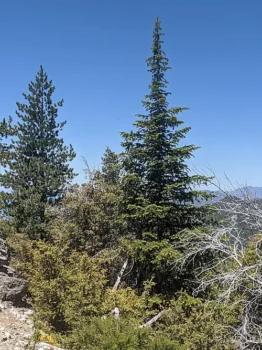
The bristlecone fir is like the unicorn of the conifer world – rare, beautiful, and found in only one place on Earth. This majestic evergreen tree naturally grows as a single-trunked specimen that can reach impressive heights of 13-16 feet or more under the right conditions. What really sets it apart are its distinctive cones adorned with prominent bristly bracts that give the tree its common name.
The tree’s glossy dark green needles create a striking contrast against its smooth bark, and its naturally conical shape makes it a true showstopper when mature. You might also see it listed under its scientific synonym, Abies venusta.
Where Does It Call Home?
Here’s where things get really interesting – and a bit sobering. The bristlecone fir is found exclusively in California’s Santa Lucia Mountains along the coast. This isn’t just rare in the gardening sense; it’s genuinely imperiled in the wild with only 6-20 natural populations remaining and an estimated 1,000-3,000 individual trees total.
- Species observed
- No observations
Should You Plant One?
This is where we need to have an honest conversation. While the bristlecone fir is undeniably stunning and would make an incredible addition to any large garden or landscape, there are some serious considerations:
The Rarity Factor
With its imperiled conservation status, any bristlecone fir you consider planting must come from responsibly sourced material. This means:
- Never collecting from wild populations
- Only purchasing from reputable nurseries that propagate legally
- Ensuring any seeds or cuttings come from cultivated sources
Growing Challenges
Even if you can source one responsibly, growing bristlecone fir outside its native range is notoriously difficult. These trees have evolved very specific requirements that are hard to replicate:
- Cool, moist conditions with excellent drainage
- Coastal fog influence (nearly impossible to replicate inland)
- USDA hardiness zones 7-9
- Protection from hot, dry winds
Landscape Role and Design
If you’re fortunate enough to have the right conditions and access to responsibly sourced plants, bristlecone fir works best as:
- A specimen tree for large properties
- Part of specialized conifer collections
- Feature plantings in botanical gardens
- Conservation plantings to help preserve the species
This isn’t a tree for small yards or typical suburban landscapes. It needs room to reach its full potential and requires gardeners who understand its special needs.
Planting and Care Tips
If you’re committed to trying your hand at growing this remarkable tree:
- Plant in a location with morning sun and afternoon shade
- Ensure excellent drainage while maintaining consistent moisture
- Mulch heavily to keep roots cool and retain moisture
- Consider misting systems if you’re outside coastal areas
- Be patient – growth can be slow, especially when young
Wildlife and Ecosystem Benefits
While bristlecone fir doesn’t offer significant benefits to pollinators (it’s wind-pollinated like most conifers), it does provide habitat value in its native range. The dense foliage offers nesting sites for birds, and the seeds feed various wildlife species.
The Bottom Line
Bristlecone fir represents both an incredible opportunity and a significant responsibility. If you have the right growing conditions, space, and commitment to responsible sourcing, helping preserve this species through cultivation is genuinely meaningful conservation work. However, if your conditions aren’t ideal or you’re looking for a more typical landscape tree, consider these California native alternatives instead:
- Coast redwood (Sequoia sempervirens) for large spaces
- Douglas fir (Pseudotsuga menziesii) for versatile landscaping
- Monterey pine (Pinus radiata) for coastal conditions
The bristlecone fir isn’t just a tree – it’s a living piece of California’s natural heritage that deserves our respect and protection. Whether you choose to grow one or simply appreciate it from afar, this remarkable species reminds us why preserving our native plant diversity matters.