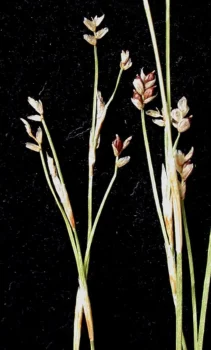
Bristleleaf Sedge: A Delicate Native Groundcover for Naturalistic Gardens
If you’re looking for a understated native plant that quietly does its job without demanding attention, bristleleaf sedge (Carex eburnea) might just be your new garden companion. This petite perennial sedge brings subtle charm to naturalistic landscapes while requiring minimal fuss from busy gardeners.
Meet the Bristleleaf Sedge
Bristleleaf sedge is a small, clumping sedge that forms neat tufts of narrow, bristle-like leaves. Don’t expect showy flowers – this plant is all about texture and form. Its delicate, grass-like appearance adds fine texture to garden compositions, making it an excellent supporting player rather than a star performer.
A True North American Native
One of the best things about bristleleaf sedge is its impressive native credentials. This hardy little plant calls nearly all of North America home, from the wilds of Alaska down through Canada and across most of the lower 48 states. You’ll find it naturally growing everywhere from Alberta to Alabama, and from British Columbia to New Jersey.
- Species observed
- No observations
However, gardeners in Alabama and New Jersey should take note: bristleleaf sedge has a rarity status of S2 in these states, meaning it’s somewhat uncommon. If you live in these areas and want to grow this sedge, make sure to source your plants responsibly from reputable native plant nurseries rather than collecting from wild populations.
Where Bristleleaf Sedge Shines in Your Garden
This adaptable sedge works beautifully in several garden settings:
- Rock gardens where its fine texture contrasts nicely with stones
- Woodland gardens as a delicate groundcover
- Native plant gardens for authentic local ecosystems
- Naturalized areas where low-maintenance plants are preferred
Its compact size and unassuming nature make it perfect for filling in gaps between larger plants or creating subtle transitions in plant compositions.
Growing Conditions and Care
Bristleleaf sedge is refreshingly easy-going when it comes to growing conditions. This tough little plant thrives in USDA hardiness zones 2 through 8, making it suitable for most North American gardens.
Here’s what makes bristleleaf sedge happy:
- Light: Partial shade to full sun
- Soil: Well-drained soils; tolerates poor conditions
- Water: Drought tolerant once established
- Maintenance: Minimal care required
Its facultative upland status means it typically prefers non-wetland conditions but can tolerate occasional wet periods – basically, it’s not picky about moisture levels as long as it doesn’t sit in standing water.
Planting and Maintenance Tips
Getting bristleleaf sedge established is straightforward. Plant in spring or fall, water regularly during the first growing season to help roots establish, then step back and let it do its thing. This sedge may self-seed in favorable conditions, gradually creating natural-looking colonies.
Maintenance is minimal – you might want to remove any dead foliage in late winter or early spring, but even that’s optional. This is truly a plant it and forget it kind of native.
Wildlife and Ecological Benefits
While bristleleaf sedge won’t attract clouds of butterflies like some showier natives, it still contributes to local ecosystems. The seeds provide food for small birds and wildlife, and its presence helps support the complex web of insects and other creatures that make up healthy native plant communities.
Is Bristleleaf Sedge Right for Your Garden?
Consider bristleleaf sedge if you want a low-maintenance native that adds fine texture without stealing the show. It’s perfect for gardeners who appreciate subtle beauty and want to support local ecosystems with minimal effort. Just remember to source responsibly if you’re in Alabama or New Jersey, where wild populations need protection.
This little sedge proves that sometimes the best garden plants are the ones that simply blend in and do their job beautifully – no drama required.