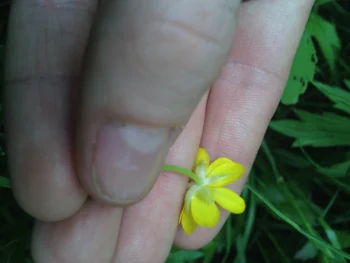
Bristly Buttercup: A Cheerful Native for Wet Spots in Your Garden
If you’ve been searching for a native plant that thrives in those persistently soggy areas of your garden, meet the bristly buttercup (Ranunculus hispidus var. caricetorum). This perennial wildflower might just be the sunny solution you’ve been looking for to brighten up your wettest garden spots.
What Makes Bristly Buttercup Special?
The bristly buttercup is a true North American native, naturally occurring across a impressive range spanning from Canada down through much of the northern and eastern United States. You’ll find this cheerful little plant growing wild from the Maritime provinces of Canada all the way south to Virginia, and west to the Great Plains states.
This hardy perennial calls the following areas home: New Brunswick, Ontario, Prince Edward Island, Connecticut, Quebec, Delaware, Northwest Territories, Illinois, Indiana, Iowa, Kentucky, Maine, Massachusetts, Michigan, Minnesota, Missouri, Nebraska, New Hampshire, New Jersey, New York, North Dakota, Ohio, Pennsylvania, South Dakota, Vermont, Virginia, Wisconsin, and Labrador.
- Species observed
- No observations
Garden Appeal and Design Role
As a forb (that’s garden-speak for a non-woody flowering plant), bristly buttercup brings classic buttercup charm to your landscape. Its bright yellow, five-petaled flowers create cheerful splashes of color from spring through early summer, making it an excellent choice for naturalistic plantings and native garden designs.
This plant really shines in:
- Rain gardens where it can handle excess water
- Woodland gardens with dappled light
- Bog gardens and wet meadows
- Native plant borders
- Areas that need ground cover in moist conditions
Growing Conditions and Care
One of the best things about bristly buttercup is its adaptability to wet conditions – perfect for those problem spots where other plants might struggle. This resilient native performs well in USDA hardiness zones 3-7, making it suitable for most northern and temperate climates.
Ideal growing conditions include:
- Consistently moist to wet soil
- Partial shade to full sun exposure
- Adaptable to various soil types
- Good drainage, though it tolerates standing water
Planting and Maintenance Tips
Getting bristly buttercup established in your garden is refreshingly straightforward. Plant it in spring after the last frost, ensuring the soil stays consistently moist during its first growing season. Once established, this low-maintenance native requires minimal care – just the way we like our garden plants!
Keep in mind that like many buttercups, this variety can spread via underground stems (stolons), so give it room to naturalize if you want a larger colony, or plant it where its spread can be managed.
Benefits for Wildlife and Pollinators
Early-season pollinators will thank you for including bristly buttercup in your garden. The bright yellow blooms attract small bees, flies, and other beneficial insects during a time when nectar sources can be scarce. This makes it a valuable addition to pollinator-friendly gardens and native plant communities.
Is Bristly Buttercup Right for Your Garden?
Consider adding bristly buttercup to your landscape if you have consistently moist areas that need a reliable, low-maintenance native plant. It’s particularly valuable for gardeners focused on supporting local ecosystems and creating habitat for native wildlife.
However, if you’re looking for a drought-tolerant plant or something for very dry conditions, you might want to explore other native options better suited to those situations.
With its cheerful flowers, native credentials, and ability to thrive in wet conditions where many plants fail, bristly buttercup offers a delightful way to embrace your garden’s naturally moist areas rather than fight against them.