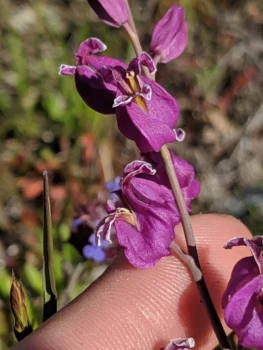
Bristly Jewelflower: A Charming Native Annual for California and Oregon Gardens
If you’re looking for a delightful native wildflower that practically grows itself, meet the bristly jewelflower (Streptanthus glandulosus glandulosus). This charming annual might not win any beauty contests against flashy garden center favorites, but it has a quiet appeal that native plant enthusiasts absolutely adore.
What Makes Bristly Jewelflower Special?
Bristly jewelflower is a true native of the American West, naturally occurring in California and Oregon. As an annual forb (that’s garden-speak for a non-woody herbaceous plant), it completes its entire life cycle in one growing season, making it perfect for gardeners who enjoy watching their landscape change from year to year.
The plant gets its common name from the distinctive bristly hairs that cover its stems and leaves, giving it a somewhat fuzzy texture that’s actually quite endearing up close. Don’t let the bristly part scare you off – it’s not painful to touch, just pleasantly textured.
- Species observed
- No observations
Garden Appeal and Landscape Role
While bristly jewelflower won’t create bold sweeps of color like some showier wildflowers, it offers subtle charm with small purple to violet flowers arranged in delicate clusters. Think of it as the supporting actor in your native plant garden – not the star of the show, but absolutely essential to the overall performance.
This plant works beautifully in:
- Native wildflower gardens
- Naturalized meadow areas
- Drought-tolerant landscapes
- Pollinator-friendly gardens
- Areas where you want low-maintenance, self-seeding annuals
Growing Conditions and Care
One of the best things about bristly jewelflower is how easy-going it is. This plant thrives in well-draining soils and prefers full sun to partial shade – basically the conditions found in its native chaparral and woodland habitats.
For USDA hardiness zones 8-10 (covering most of California and parts of Oregon), this annual is perfectly adapted to the local climate patterns. It’s naturally drought-tolerant once established, making it an excellent choice for water-wise gardening.
Planting and Propagation Tips
The easiest way to grow bristly jewelflower is from seed, and timing is everything. Direct sow seeds in fall to take advantage of natural winter moisture and temperature fluctuations that help break seed dormancy. Simply scatter seeds in prepared soil and let nature do most of the work.
Once established, bristly jewelflower often self-seeds readily, creating natural drifts that look beautifully spontaneous. After flowering, allow some plants to go to seed if you want them to return next year.
Pollinator and Wildlife Benefits
Don’t underestimate this modest plant’s value to local ecosystems. Bristly jewelflower attracts small native bees and other beneficial pollinators, contributing to the health of your local pollinator community. Every native plant you add to your garden is like placing a welcome sign for local wildlife.
Important Conservation Considerations
Before you rush out to find seeds, there’s something important to know: bristly jewelflower has an undefined conservation status, which means its population stability isn’t completely clear. This doesn’t mean you shouldn’t grow it, but it does mean you should be thoughtful about seed sourcing.
Always purchase seeds from reputable native plant nurseries that practice responsible collection methods, or better yet, collect seeds only from abundant populations and only with proper permissions. Never collect from wild populations that appear small or stressed.
The Bottom Line
Bristly jewelflower might not be the flashiest plant in the native garden, but it’s exactly the kind of dependable, low-maintenance annual that makes native gardening so rewarding. It asks for little, gives back to local pollinators, and adds authentic regional character to your landscape.
For gardeners in California and Oregon looking to create truly native landscapes that support local ecosystems, bristly jewelflower deserves a place in your plant palette. Just remember to source your seeds responsibly and enjoy watching this charming wildflower make itself at home in your garden.