Bristly Locust: A Fragrant Flowering Shrub Worth Considering
If you’re looking for a shrub that puts on a spectacular spring show without demanding much attention, bristly locust (Robinia hispida var. hispida) might just be your new garden friend. This charming member of the pea family brings clusters of fragrant pink flowers and a relaxed, naturalized look to landscapes across much of North America.
What Makes Bristly Locust Special?
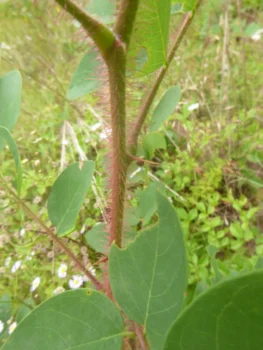
Bristly locust is a perennial shrub that typically grows as a multi-stemmed woody plant, usually staying under 13-16 feet tall. True to its name, this plant has bristly stems and branches that give it a distinctive texture even when it’s not in bloom. But the real showstopper happens in late spring to early summer, when drooping clusters of pink to rose-colored flowers appear, filling the air with their sweet fragrance.
You might also encounter this plant under some of its historical names, including Robinia grandiflora, Robinia pallida, or Robinia speciosa, though these are now considered synonyms.
Where Does Bristly Locust Come From?
Originally native to the southeastern United States, particularly the Appalachian regions, bristly locust has made itself at home across a much wider area. Today, you can find it growing in states from Alabama to Wisconsin, and from California to Maine. It’s even established populations in parts of Canada, including Nova Scotia and Ontario, where it’s considered a non-native species that reproduces on its own.
- Species observed
- No observations
Should You Plant Bristly Locust?
The answer depends on your location and gardening goals. Here are some reasons you might love this shrub:
- Beautiful, fragrant flowers that attract pollinators
- Low maintenance once established
- Drought tolerant
- Good for erosion control on slopes
- Thrives in USDA hardiness zones 4-8
However, if you’re in an area where bristly locust isn’t native, you might want to consider native alternatives first. Many regions have their own spectacular flowering shrubs that provide similar benefits while supporting local ecosystems more effectively.
Growing Bristly Locust Successfully
One of the best things about bristly locust is how easygoing it is. This shrub adapts well to various conditions, making it perfect for gardeners who want beauty without high maintenance.
Light and Location
Bristly locust performs best in full sun but will tolerate partial shade. It’s particularly well-suited for naturalized areas, cottage gardens, and slopes where you need something attractive that won’t require constant attention.
Soil Requirements
This adaptable shrub isn’t fussy about soil, but it does prefer well-draining conditions. Once established, it becomes quite drought tolerant, making it an excellent choice for areas with inconsistent rainfall or water restrictions.
Care and Maintenance
Here’s where bristly locust really shines – it’s remarkably low maintenance. Here are a few care tips:
- Water regularly during the first growing season to help establish roots
- Prune after flowering if needed to maintain shape
- Watch for suckers, as this plant can spread via underground shoots
- No fertilizer needed in most soils
Pollinator and Wildlife Benefits
The fragrant flowers of bristly locust are magnets for pollinators, particularly bees and butterflies. Hummingbirds also appreciate the nectar-rich blooms. While we don’t have complete data on all wildlife interactions, plants in the Robinia genus typically support various beneficial insects throughout their growing season.
Design Ideas
Bristly locust works beautifully in several landscape settings:
- Mixed shrub borders for spring color
- Naturalized woodland edges
- Erosion control on slopes
- Cottage-style gardens for a relaxed, informal look
- As a backdrop for shorter perennials
The Bottom Line
Bristly locust offers gardeners an attractive, low-maintenance shrub with spectacular spring blooms and pollinator appeal. While it may not be native everywhere it grows, it’s generally well-behaved and provides genuine garden value. If you’re in its native range, it’s definitely worth considering. If you’re outside its native area, enjoy it if you already have it, but consider exploring native alternatives for new plantings to best support your local ecosystem.
Remember, the best garden is one that brings you joy while working harmoniously with your local environment. Whether that includes bristly locust or not is entirely up to you!