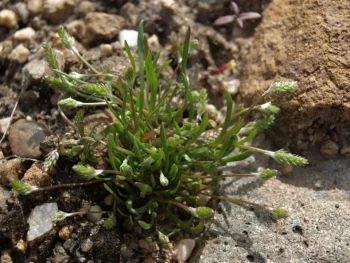
Bristly Mousetail: A Tiny Native Wildflower for Wet Spots
If you’ve ever wondered what that tiny, almost invisible wildflower is growing along pond edges or in seasonal wetlands, you might be looking at bristly mousetail (Myosurus apetalus). This diminutive annual forb is one of those blink and you’ll miss it natives that specializes in a very particular niche in the landscape.
What is Bristly Mousetail?
Bristly mousetail is a small annual forb native to western North America. As a forb, it’s an herbaceous plant without woody stems, completing its entire life cycle in just one growing season. The common name comes from its distinctive seed heads that elongate into thin, tail-like structures reminiscent of a mouse’s tail.
Where Does It Grow Naturally?
This native wildflower has an impressive range across western North America, naturally occurring in Alberta, British Columbia, Saskatchewan, Arizona, California, Colorado, Idaho, Montana, Nevada, New Mexico, North Dakota, Oregon, South Dakota, Utah, Washington, and Wyoming. It’s truly a plant of the American and Canadian West.
- Species observed
- No observations
The Wetland Specialist
Here’s where bristly mousetail gets interesting from an ecological perspective. This little plant is what botanists call an obligate wetland species in most regions, meaning it almost always occurs in wetlands. In the Great Plains, it’s considered a facultative wetland plant, usually found in wet areas but occasionally venturing into drier spots.
This wetland preference makes bristly mousetail quite specialized in its habitat requirements—and that specialization is key to understanding whether it belongs in your garden.
Should You Plant Bristly Mousetail?
Let’s be honest: bristly mousetail isn’t going to win any beauty contests. This tiny annual produces minuscule white flowers that are barely noticeable and grows only a few inches tall. Its aesthetic appeal lies more in its ecological authenticity than its ornamental value.
You might consider bristly mousetail if you:
- Have a naturalized wetland area or pond margin
- Are creating a comprehensive native plant collection
- Want to support local ecosystem authenticity
- Have seasonally wet areas that are difficult to landscape
However, bristly mousetail probably isn’t for you if you:
- Want showy flowers or prominent garden features
- Have well-drained garden beds
- Prefer low-maintenance perennial plantings
- Are looking for plants with significant wildlife value
Growing Bristly Mousetail Successfully
If you decide to give this wetland specialist a try, success depends entirely on matching its very specific growing conditions.
Growing Conditions
- Moisture: Consistently wet to moist soil is essential
- Light: Full sun to partial shade
- Soil: Tolerates various soil types as long as they stay wet
- Climate: Hardy in USDA zones 3-9
Planting and Care Tips
Growing bristly mousetail is refreshingly simple once you have the right conditions:
- Direct sow seeds in fall or early spring directly in wet soil
- No soil preparation needed—this plant thrives in naturally disturbed, wet ground
- Seeds need consistent moisture to germinate
- Once established, the plant requires virtually no care
- Allow plants to self-seed for naturalized colonies
The Bottom Line
Bristly mousetail is undoubtedly a niche plant. It won’t anchor your garden design or provide dramatic seasonal interest, but it offers something different: a glimpse into the subtle beauty of specialized native ecosystems. If you have the right wet conditions and an appreciation for botanical authenticity over ornamental flash, this tiny mousetail might just find a small but meaningful place in your landscape.
For most gardeners seeking wetland plants with more visual impact, consider alternatives like native sedges, rushes, or moisture-loving wildflowers that offer both ecological value and greater ornamental appeal. But for the native plant purist with wet ground to fill, bristly mousetail represents a fascinating example of nature’s ability to find and fill every available niche.