Bristlystem Checkerbloom: A Rare Pacific Northwest Treasure Worth Protecting
If you’re passionate about native plants and conservation, bristlystem checkerbloom (Sidalcea hirtipes) deserves a spot on your radar. This enchanting Pacific Northwest native is more than just another pretty wildflower—it’s a rare gem that needs our help to survive and thrive.
What Makes Bristlystem Checkerbloom Special?
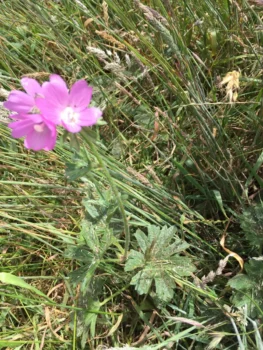
Bristlystem checkerbloom is a perennial forb that brings delicate beauty to any native garden. True to its name, this plant produces lovely pink to rose-colored flowers arranged in graceful terminal spikes that dance above the foliage during summer months. The blooms have that classic mallow family appearance, with five petals that create a charming, old-fashioned cottage garden feel.
As an herbaceous perennial, this plant dies back to the ground each winter and emerges fresh each spring, making it a reliable (if somewhat ephemeral) garden companion.
Where Does It Call Home?
This Pacific Northwest native has a surprisingly limited range, calling only Oregon and Washington home. You’ll find it naturally occurring in the coastal and inland valleys of these two states, where it has adapted to the region’s unique climate patterns.
- Species observed
- No observations
A Conservation Concern
Here’s where things get serious: bristlystem checkerbloom carries a Global Conservation Status of S2, meaning it’s considered Imperiled. With typically only 6 to 20 known occurrences and an estimated 1,000 to 3,000 remaining individuals in the wild, this plant is walking a tightrope toward extinction.
This rarity status makes bristlystem checkerbloom both incredibly special and incredibly important to protect. If you’re considering growing this plant, please ensure you source it only from reputable nurseries that propagate from legally and ethically obtained material—never collect from wild populations.
Why Grow Bristlystem Checkerbloom?
Despite its rarity (or perhaps because of it), there are compelling reasons to include this native in your garden:
- Pollinator magnet: The summer blooms attract native bees, butterflies, and other beneficial insects
- Regional authenticity: Nothing says Pacific Northwest quite like a truly local native
- Conservation impact: Growing rare natives helps maintain genetic diversity and provides backup populations
- Unique beauty: Those delicate pink flower spikes offer something different from common garden plants
Perfect Garden Settings
Bristlystem checkerbloom shines in:
- Native plant gardens focused on regional flora
- Naturalized meadow areas
- Restoration projects
- Rain gardens and seasonally moist spots
- Butterfly and pollinator gardens
Growing Conditions and Care
Success with bristlystem checkerbloom starts with understanding its natural habitat preferences:
Sunlight: Provide full sun to partial shade. In hotter areas, some afternoon shade can be beneficial.
Soil: This plant prefers moist to seasonally wet soils. Think meadow conditions rather than desert-dry or constantly soggy.
USDA Hardiness: Suitable for zones 7-9, making it perfect for much of the Pacific Northwest and similar climates.
Water needs: Consistent moisture during the growing season is key, but the plant can handle some summer drying as long as it’s not extreme.
Planting and Care Tips
Getting bristlystem checkerbloom established requires a gentle touch:
- Plant in spring after the last frost danger has passed
- Ensure good drainage while maintaining soil moisture
- Mulch around plants to retain moisture and suppress weeds
- Allow the plant to go dormant naturally in fall—don’t cut back until spring
- Be patient with establishment; rare plants often take time to settle in
A Plant Worth Protecting
Growing bristlystem checkerbloom is more than gardening—it’s conservation in action. By choosing this rare native over common alternatives, you’re casting a vote for biodiversity and helping ensure that future generations can enjoy this Pacific Northwest treasure.
Just remember: with great beauty comes great responsibility. Source your plants ethically, care for them lovingly, and consider sharing seeds or divisions (when appropriate) with other conservation-minded gardeners. Together, we can help write a happier ending to bristlystem checkerbloom’s story.