British Columbia Wild Ginger: A Pacific Northwest Groundcover Gem
If you’re looking for a distinctive groundcover that brings a touch of Pacific Northwest wilderness to your garden, British Columbia wild ginger (Asarum caudatum) might just be your new favorite plant. This charming native perennial offers year-round beauty and requires surprisingly little fuss once it’s settled in.
What Makes British Columbia Wild Ginger Special?
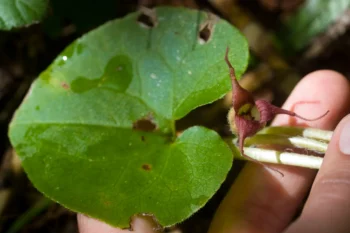
British Columbia wild ginger stands out with its glossy, heart-shaped leaves that create a lush carpet in shaded areas. The real surprise comes in spring when curious maroon flowers appear close to the ground – they’re easy to miss if you’re not looking, but absolutely fascinating when you discover them. These unusual blooms have a distinctive cup shape and often hide beneath the foliage, adding an element of treasure-hunting to your garden walks.
Where Does It Come From?
This native beauty calls the Pacific Northwest home, naturally growing from British Columbia down through California, Idaho, Montana, Oregon, and Washington. Being a true native means it’s perfectly adapted to the region’s climate and plays well with local ecosystems.
- Species observed
- No observations
Why Gardeners Love (and Sometimes Struggle With) Wild Ginger
There are plenty of reasons to fall for British Columbia wild ginger:
- It thrives in those tricky shaded spots where many plants struggle
- The evergreen foliage provides year-round interest
- Once established, it’s quite drought-tolerant
- It spreads slowly to form attractive colonies
- Native wildlife, including small pollinators like flies and gnats, appreciate it
However, it’s not the right fit for every garden. Wild ginger can be slow to establish and doesn’t tolerate hot, dry conditions or full sun. If you’re looking for quick results or have a sunny garden, you might want to consider other options.
Perfect Garden Situations
British Columbia wild ginger absolutely shines in:
- Woodland gardens and naturalized areas
- Shade gardens under trees or on the north side of buildings
- Native plant gardens focusing on Pacific Northwest species
- Areas where you want low-maintenance groundcover
It typically grows 6-8 inches tall and can spread 12-18 inches wide, making it perfect for filling in gaps between larger shade plants or creating drifts along pathways.
Growing Conditions That Make It Happy
Think forest floor when planning for wild ginger. It thrives in partial to full shade with moist, well-draining soil that’s rich in organic matter. The plant can handle both wetland and upland conditions, though it generally prefers the drier side once established.
Wild ginger is hardy in USDA zones 6-9, making it a reliable choice for most Pacific Northwest gardens and similar climates.
Planting and Care Tips
Getting wild ginger established is straightforward if you follow a few key steps:
- Timing: Plant in spring or fall when temperatures are moderate
- Soil prep: Amend heavy clay or sandy soil with compost to improve drainage and fertility
- Spacing: Give plants 12-18 inches of space to spread naturally
- Watering: Keep consistently moist the first year, then water during dry spells
- Mulching: Apply a 2-3 inch layer of organic mulch to retain moisture and suppress weeds
Once established, wild ginger is refreshingly low-maintenance. It doesn’t need fertilizing, rarely has pest problems, and the most care it might need is occasional watering during extended dry periods.
Wildlife and Ecological Benefits
While not a major pollinator magnet, British Columbia wild ginger does support small flies and gnats that help with pollination. As a native plant, it fits seamlessly into local food webs and provides habitat for small creatures that larger wildlife depend on.
Is British Columbia Wild Ginger Right for Your Garden?
If you have shaded areas that need groundcover and appreciate subtle, woodland-style beauty, British Columbia wild ginger could be an excellent choice. It’s particularly valuable for gardeners wanting to incorporate more native plants into their landscapes. Just remember that patience is key – this isn’t a plant for instant gratification, but rather one that rewards you with years of quiet, elegant presence once it’s established.
The combination of native status, low maintenance needs, and unique aesthetic appeal makes British Columbia wild ginger a worthy addition to Pacific Northwest shade gardens. Give it the right conditions, and it’ll give you years of understated beauty in return.