Brittlestem: A Rare Arizona Native Worth Protecting in Your Garden
Meet brittlestem (Mabrya acerifolia), one of Arizona’s most elusive native treasures. This petite perennial herb might not be the showiest plant in the desert, but it holds a special place in the hearts of native plant enthusiasts and conservationists alike. If you’re lucky enough to encounter this rare beauty, you’re looking at a plant that’s fighting for survival in the wild.
A Plant with Many Names
Botanically known as Mabrya acerifolia, this little gem goes by the common name brittlestem. You might also see it listed under its former scientific aliases, including Asarina acerifolia and Maurandya acerifolia, as taxonomists have shuffled it around over the years.
Where in the World Is Brittlestem?
Brittlestem calls Arizona home and only Arizona. This native son of the Southwest has chosen to make its stand exclusively in the Grand Canyon State, making it what botanists call an endemic species. Its limited distribution is part of what makes it so special—and so vulnerable.
- Species observed
- No observations
Why This Plant Deserves Your Attention (And Protection)
Here’s where things get serious: brittlestem carries a Global Conservation Status of S2, which translates to Imperiled. This means the species is extremely rare, with typically only 6 to 20 known locations and somewhere between 1,000 to 3,000 individual plants remaining in the wild. In plant conservation terms, that’s a red flag waving frantically in the desert breeze.
Important Conservation Note: If you’re considering adding brittlestem to your garden, please only source it from reputable native plant nurseries that propagate from ethically collected seeds. Never harvest from wild populations—these plants need every individual they can get to survive.
What Does Brittlestem Look Like?
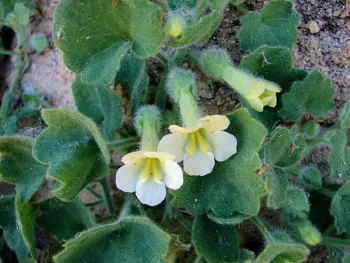
As its name suggests, brittlestem is a delicate forb herb—essentially a soft-stemmed perennial that lacks woody tissue. Think of it as the botanical equivalent of a gentle soul: beautiful but fragile. The plant produces small, charming flowers that typically display purple or violet hues, creating a lovely contrast against Arizona’s desert palette. Its leaves bear a resemblance to maple leaves, giving it the species name acerifolia (maple-leaved).
Growing Brittlestem: A Labor of Love
Growing this rare Arizona native requires patience, dedication, and the right conditions. Here’s what you need to know:
Ideal Growing Conditions
- Climate: Thrives in USDA hardiness zones 8-10, matching Arizona’s arid climate
- Soil: Demands excellent drainage—think rocky, sandy, or gravelly soils that mimic its natural habitat
- Water: Minimal irrigation once established; this desert native prefers to stay on the dry side
- Sun exposure: Full sun to partial shade, as it would receive in its natural rocky outcrops
Garden Role and Design Ideas
Brittlestem isn’t your typical landscape centerpiece, but that’s exactly what makes it special. Consider it for:
- Specialized native plant gardens focused on Arizona flora
- Rock gardens where its delicate nature can be appreciated up close
- Xeriscaping projects that celebrate water-wise gardening
- Conservation gardens dedicated to preserving rare species
Planting and Care Tips
Success with brittlestem starts with mimicking its natural environment:
- Plant in well-draining soil amended with gravel or sand if necessary
- Provide protection from harsh winds that might damage its delicate stems
- Water sparingly during establishment, then rely mainly on natural rainfall
- Avoid fertilizers—desert natives often prefer lean soils
- Consider companion planting with other Arizona natives for an authentic ecosystem feel
Wildlife and Pollinator Benefits
While specific pollinator data for brittlestem is limited, small desert natives like this typically support specialized pollinators such as native bees and small butterflies. Every rare native plant we can establish in cultivation helps support the intricate web of desert life.
The Bottom Line
Should you grow brittlestem? If you’re in Arizona, have experience with challenging natives, and can source it responsibly, absolutely. This rare beauty deserves a place in conservation-minded gardens where it can be appreciated and protected. Just remember: with great rarity comes great responsibility. By growing brittlestem, you’re not just adding a unique plant to your garden—you’re becoming a conservation partner in protecting one of Arizona’s most vulnerable native species.
Every brittlestem plant grown from responsibly sourced seeds is a small victory for conservation. In a world where rare plants face increasing pressures, gardeners like you can make a real difference, one carefully tended plant at a time.