Broad Looseflower Sedge: A Graceful Native for Shady Spots
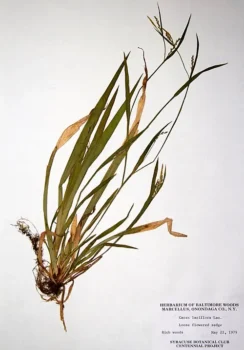
If you’re looking for a native plant that brings understated elegance to your shade garden, meet the broad looseflower sedge (Carex laxiflora). This charming perennial sedge might not win any flashy flower contests, but it’s got something better—reliable beauty and ecological value that keeps on giving year after year.
What Makes This Sedge Special?
Broad looseflower sedge is a true American native, naturally occurring across an impressive range from southeastern Canada down to the Gulf Coast states. You’ll find this adaptable plant thriving in woodlands from Maine to Florida and west to Minnesota and Oklahoma. This extensive native range tells us something important: this sedge knows how to make itself at home in diverse conditions.
- Species observed
- No observations
As a member of the sedge family (Cyperaceae), this grass-like perennial forms attractive clumps of fine-textured, arching foliage. The delicate seed heads that appear in late spring add a subtle ornamental touch that’s both sophisticated and natural-looking.
Why Choose Broad Looseflower Sedge?
Here’s where this sedge really shines—it’s practically the perfect low-maintenance groundcover for challenging shady areas. While many gardeners struggle to find plants that thrive in shade, broad looseflower sedge actually prefers it. This makes it an excellent choice for:
- Woodland gardens where you want natural-looking groundcover
- Shady borders that need texture and movement
- Naturalistic landscapes where you’re mimicking native plant communities
- Areas under trees where grass struggles to grow
One of the most appealing aspects of this sedge is its wetland status varies by region. In some areas, it’s classified as Obligate Upland, meaning it almost never occurs in wetlands, while in coastal regions it’s Facultative Upland, occasionally tolerating wetter conditions. This flexibility makes it adaptable to various moisture levels in your garden.
Growing Conditions and Care
The beauty of broad looseflower sedge lies in its easygoing nature. This hardy perennial thrives in USDA zones 3-9, making it suitable for most of North America. Here’s what it prefers:
- Light: Partial to full shade (though it can tolerate some morning sun)
- Soil: Moist to moderately dry, well-draining soils
- Maintenance: Minimal once established
- Height: Typically grows 1-2 feet tall with a similar spread
Planting and Maintenance Tips
Getting started with broad looseflower sedge couldn’t be simpler. Plant it in spring after the last frost, giving each clump about 12-18 inches of space to spread naturally. Water regularly during the first growing season to help establish the root system, but after that, this sedge is remarkably drought-tolerant for a shade plant.
Maintenance is refreshingly minimal. You can divide clumps every 3-4 years in early spring if you want to propagate more plants or control spread. Otherwise, simply cut back any winter-damaged foliage in early spring before new growth emerges.
Ecological Benefits
While broad looseflower sedge is wind-pollinated and doesn’t offer nectar to pollinators, it provides valuable habitat and structure in native plant communities. Sedges like this one support various insects and provide cover for small wildlife, making them important components of sustainable, ecologically-minded gardens.
Is This Sedge Right for Your Garden?
If you have shady areas that need reliable, attractive groundcover, broad looseflower sedge deserves serious consideration. It’s perfect for gardeners who appreciate subtle beauty over flashy blooms and prefer plants that work with nature rather than against it. The fact that it’s native across such a wide range means it’s likely well-suited to your local conditions—always a winning combination in sustainable gardening.
This sedge won’t give you bold colors or dramatic flowers, but it will give you something perhaps more valuable: a beautiful, low-maintenance plant that belongs in your landscape and supports local ecosystems. Sometimes the best garden plants are the ones that simply do their job well, year after year, without any fuss.