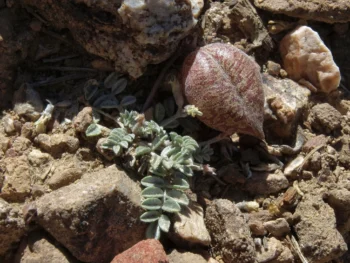
Broadkeel Milkvetch: A Hardy Native Gem for Western Gardens
If you’re looking for a tough-as-nails native plant that can handle whatever Mother Nature throws at it, let me introduce you to broadkeel milkvetch (Astragalus platytropis). This unassuming little perennial might not win any beauty contests, but it’s got character in spades and plays an important role in western ecosystems.
Meet Your New Garden Companion
Broadkeel milkvetch is a native treasure that calls the American West home. This hardy perennial belongs to the legume family, which means it’s got that special talent for fixing nitrogen in the soil – basically, it’s doing your garden a favor just by growing there! As a low-growing shrub, it typically stays under 18 inches tall and rarely exceeds 3 feet at maturity, making it perfect for those spots where you need something substantial but not overwhelming.
Where You’ll Find It in the Wild
This resilient native spans across seven western states: California, Idaho, Montana, Nevada, Oregon, Utah, and Wyoming. It’s perfectly adapted to the challenging conditions of the American West, from high desert plains to rocky mountainsides.
- Species observed
- No observations
Why Your Garden (and Local Wildlife) Will Love It
Broadkeel milkvetch might look modest, but it punches above its weight when it comes to garden benefits:
- Drought tolerance that would make a cactus jealous
- Delicate white to cream-colored flowers that attract native bees and beneficial insects
- Nitrogen-fixing abilities that improve your soil naturally
- Low-maintenance growth that thrives on neglect
- Excellent for erosion control on slopes and challenging terrain
Perfect Garden Spots for Broadkeel Milkvetch
This isn’t your typical cottage garden plant, and that’s exactly what makes it special. Broadkeel milkvetch shines in:
- Xeriscaped and drought-tolerant landscapes
- Rock gardens and alpine-style plantings
- Native plant gardens celebrating regional flora
- Naturalized wildflower meadows
- Slopes needing stabilization
Growing Broadkeel Milkvetch Successfully
The beauty of this native is that it practically grows itself once you understand its preferences. Here’s what you need to know:
Sun and Soil: Give it full sun and well-draining soil. Sandy, rocky, or gravelly soils are actually preferred – this plant doesn’t appreciate rich, moisture-retentive garden soil that would make other plants happy.
Watering: Once established, broadkeel milkvetch is remarkably drought tolerant. In fact, overwatering is more likely to harm it than help it. During its first year, provide occasional deep watering to help it establish, then step back and let nature take over.
Climate Considerations: This hardy native typically thrives in USDA zones 4-8, though this can vary depending on your specific location within its native range. It’s built to handle temperature extremes and challenging weather conditions.
Planting and Care Tips
Starting broadkeel milkvetch from seed is often your best bet, as it doesn’t always transplant well once established. Plant seeds in fall to allow for natural cold stratification over winter. Spring germination will reward your patience with sturdy seedlings.
Once planted, resist the urge to fuss over it. This is a plant it and forget it kind of native that actually prefers minimal interference. Avoid fertilizing – remember, it makes its own nitrogen and too much fertility can actually weaken the plant.
The Bottom Line
Broadkeel milkvetch might not be the showiest plant in your garden, but it’s definitely one of the most dependable. If you’re gardening in its native range and looking for plants that support local ecosystems while requiring minimal resources, this tough little native deserves serious consideration. It’s proof that sometimes the best garden plants are the ones that have been perfecting their act in your local landscape for thousands of years.