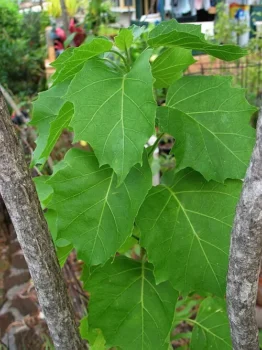
Broadleaf Aiea: Hawaii’s Critically Endangered Native Tree Worth Protecting
Meet the broadleaf aiea (Nothocestrum latifolium), one of Hawaii’s most endangered native trees that’s fighting for survival in the wild. This remarkable species represents both the beauty and fragility of Hawaii’s unique ecosystem, making it a plant that deserves our attention and conservation efforts.
A True Hawaiian Native in Crisis
Broadleaf aiea is endemic to Hawaii, meaning it exists nowhere else on Earth. This perennial tree is native exclusively to the Hawaiian Islands, where it once thrived in dry to mesic forests. Today, however, this species faces an uncertain future with a Global Conservation Status of S1 (Critically Imperiled) and is listed as Endangered in the United States.
What makes this situation particularly urgent? There are typically only 5 or fewer known occurrences of broadleaf aiea remaining in the wild, with very few individuals (fewer than 1,000) still surviving. This tree is literally on the brink of extinction.
- Species observed
- No observations
What Makes Broadleaf Aiea Special
As a member of the nightshade family, broadleaf aiea grows as a small to medium-sized tree, typically reaching heights greater than 13-16 feet when conditions are favorable. True to its name, this species features distinctive broad, heart-shaped leaves that set it apart from other Hawaiian natives.
The tree produces small, white tubular flowers that attract native Hawaiian pollinators, playing a crucial role in supporting local ecosystem relationships that have evolved over thousands of years.
Should You Plant Broadleaf Aiea?
Here’s where things get complicated. While we absolutely want to encourage the cultivation of this critically endangered species, it comes with serious responsibilities:
The Conservation Imperative
- Only use responsibly sourced material: Never collect seeds or cuttings from wild populations
- Work with conservation organizations: Partner with Hawaiian botanical gardens, native plant societies, or conservation groups
- Verify legal sourcing: Ensure any plant material comes from legitimate propagation programs
- Consider your climate: This species requires tropical conditions (USDA zones 10-12)
Growing Conditions and Care
If you’re fortunate enough to obtain responsibly sourced broadleaf aiea, here’s what you need to know:
- Climate requirements: Tropical to subtropical conditions only
- Sunlight: Partial shade to full sun
- Soil: Well-draining soil that mimics native forest conditions
- Water: Moderate water needs; drought tolerant once established
- Space: Allow room for a small to medium tree growth
The Bigger Picture
Growing broadleaf aiea isn’t just about adding an unusual tree to your landscape—it’s about participating in conservation efforts for one of Hawaii’s most endangered species. Every successfully cultivated specimen represents hope for the species’ future and contributes to maintaining genetic diversity outside of wild populations.
This tree works beautifully as a specimen plant in native Hawaiian gardens, restoration projects, or botanical collections. Its broad leaves and unique flowers make it an attractive addition while supporting native pollinators and maintaining cultural connections to Hawaii’s natural heritage.
A Call to Action
If you’re passionate about native Hawaiian plants and have the right growing conditions, consider supporting broadleaf aiea conservation through responsible cultivation. Connect with Hawaiian native plant organizations, botanical gardens, or conservation groups to learn about legitimate propagation programs.
Remember: with great rarity comes great responsibility. This isn’t just gardening—it’s conservation in action.