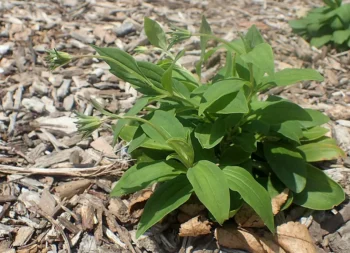
Broadleaf Barbara’s Buttons: A Rare Native Gem for Your Shade Garden
Meet one of the Southeast’s best-kept botanical secrets: broadleaf Barbara’s buttons (Marshallia trinervia). This charming native perennial might not have the flashiest name, but don’t let that fool you – it’s a delightful addition to any shade garden that values both beauty and conservation.
What Makes This Plant Special?
Broadleaf Barbara’s buttons is a native herbaceous perennial that calls the southeastern United States home. You’ll find this lovely wildflower naturally growing in Alabama, Georgia, Louisiana, Mississippi, North Carolina, South Carolina, and Tennessee, where it thrives in woodland settings and forest edges.
- Species observed
- No observations
As a forb (basically a fancy term for a non-woody flowering plant), this species produces delicate white, daisy-like flowers with prominent centers that bloom from spring into early summer. The blooms may be modest in size, but they pack a punch when it comes to charm and pollinator appeal.
A Plant Worth Protecting
Here’s something important to know: broadleaf Barbara’s buttons has a Global Conservation Status of S3, meaning it’s considered vulnerable throughout its range. With typically only 21 to 100 occurrences and between 3,000 to 10,000 individuals remaining, this species faces challenges in the wild.
If you choose to grow this plant, please only purchase from reputable native plant nurseries that ethically propagate their stock. Never collect plants from the wild – let’s help this species thrive rather than contribute to its decline!
Perfect Spots for Broadleaf Barbara’s Buttons
This understory beauty is tailor-made for:
- Woodland gardens and naturalized areas
- Native plant landscapes
- Shaded pollinator gardens
- Forest edge plantings
- Conservation-focused garden designs
Its wetland status is Facultative Upland, which means it usually prefers non-wetland conditions but can tolerate some moisture. This makes it quite adaptable for typical garden situations.
Growing Conditions and Care
Broadleaf Barbara’s buttons thrives in USDA hardiness zones 6-9, making it suitable for much of the southeastern and mid-Atlantic regions. Here’s what this woodland native prefers:
- Light: Partial shade to full shade
- Soil: Well-drained, organic-rich woodland soil
- Moisture: Moderate; drought tolerant once established
- Maintenance: Low – this is a pretty hands-off plant!
Planting and Care Tips
Once you’ve sourced your plants responsibly, growing broadleaf Barbara’s buttons is refreshingly straightforward:
- Plant in spring or fall when temperatures are moderate
- Amend heavy clay soils with compost to improve drainage
- Water regularly the first growing season to establish roots
- Apply a thin layer of leaf mold or compost annually
- Avoid disturbing established plants – they prefer to be left alone
Wildlife and Pollinator Benefits
Those sweet little flowers aren’t just pretty – they’re pollinator magnets! Broadleaf Barbara’s buttons attracts butterflies, native bees, and other beneficial insects. By planting this species, you’re creating habitat and food sources for native wildlife while supporting biodiversity in your own backyard.
The Bottom Line
Broadleaf Barbara’s buttons might be rare in the wild, but it doesn’t have to be rare in our gardens. This gentle native perennial offers subtle beauty, requires minimal care, and supports local ecosystems – all while helping conserve a vulnerable species.
Just remember: if you fall in love with this plant (and we think you will), always source it responsibly from reputable native plant nurseries. Together, we can help ensure that future generations will be able to enjoy both wild and cultivated populations of this southeastern treasure.
Ready to add some conservation-minded charm to your shade garden? Broadleaf Barbara’s buttons is waiting to prove that sometimes the most understated plants make the biggest impact.