Broadleaf Carpetgrass: A Low-Maintenance Ground Cover for Warm Climates
If you’re searching for a low-growing, easy-care grass that can handle both wet and dry conditions, broadleaf carpetgrass (Axonopus compressus) might catch your attention. This perennial grass has been making its way into landscapes across the southeastern United States, though whether it belongs in your garden depends largely on where you live and what you’re trying to achieve.
What Is Broadleaf Carpetgrass?
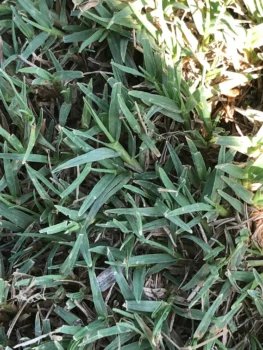
Broadleaf carpetgrass goes by several names, including lawn grass and tropical carpet grass, giving you a hint about its preferred climate. This stoloniferous grass spreads by sending out runners, creating a dense mat that rarely grows taller than one foot. With its fine-textured, green foliage and decumbent growth habit, it forms a carpet-like appearance that lives up to its common name.
The plant produces small, inconspicuous white flowers in spring, followed by brown seeds from summer through fall. Don’t expect a showy display – this grass is all about function over form, with moderate growth rates and a relatively short lifespan for a perennial.
Where Does It Naturally Grow?
Here’s where things get interesting with broadleaf carpetgrass. It’s native to several southeastern states including Florida, Georgia, Louisiana, South Carolina, parts of Alabama, Arkansas, and Texas, as well as Puerto Rico and the U.S. Virgin Islands. However, it’s also established itself as a non-native species in Pacific Basin areas excluding Hawaii, and can be found in Guam and Palau.
- Species observed
- No observations
Should You Plant Broadleaf Carpetgrass?
The answer depends on your location and gardening goals. If you live in areas where it’s native, broadleaf carpetgrass can be a reasonable choice for low-maintenance ground cover. However, if you’re in regions where it’s not native, you might want to think twice.
Potential Benefits:
- Low-growing and spreads naturally to fill spaces
- Tolerates both wet and dry conditions (facultative wetland plant)
- Fire resistant
- Moderate drought tolerance once established
- Can handle foot traffic reasonably well
Potential Drawbacks:
- Intolerant of shade
- Requires high moisture during establishment
- Not commercially available from known sources
- Short lifespan for a perennial
- Minimal wildlife or pollinator benefits
Growing Conditions and Care
If you decide to grow broadleaf carpetgrass, it’s quite specific about its preferences. This grass thrives in USDA hardiness zones 9b through 11, needing at least 210 frost-free days per year and temperatures that don’t drop below -3°F.
For soil, it prefers fine to medium-textured soils and won’t tolerate coarse, sandy conditions. The pH should be on the acidic side, ranging from 4.5 to 7.0. While it can handle some drought once established, it has high moisture requirements and low drought tolerance overall.
Full sun is essential – this grass won’t tolerate shade at all. It also has low salt tolerance, so keep it away from coastal areas with salt spray.
Planting and Propagation
Here’s a challenge: broadleaf carpetgrass isn’t readily available from commercial sources. If you can find it, propagation is typically done through seed or sprigs rather than sod or containers.
Seeds are quite small – there are over 1.2 million seeds per pound! They require cold stratification and have medium vigor when they germinate. The grass spreads vegetatively at a moderate rate once established, but seed spread is slow.
Plant density should be between 7,000 to 18,000 plants per acre, and expect moderate regrowth after any cutting or mowing.
Consider Native Alternatives
If you’re in an area where broadleaf carpetgrass isn’t native, consider these alternatives that might provide similar benefits while supporting local ecosystems:
- Buffalo grass (Poaceae family natives) for drier regions
- Native sedges for wet areas
- Regional native bunch grasses
- Local wildflower and native grass mixes
The Bottom Line
Broadleaf carpetgrass can be a functional ground cover in warm, humid climates where it naturally occurs. However, its limited availability, specific growing requirements, and minimal ecological benefits make it a questionable choice for most gardeners. If you’re in its native range and need a low-maintenance grass for wet areas, it might work. Otherwise, you’ll likely find better success and provide more environmental benefits by choosing native alternatives suited to your specific region.
Before planting any grass species, check with your local extension office about the best native options for your area – your local ecosystem will thank you for it!