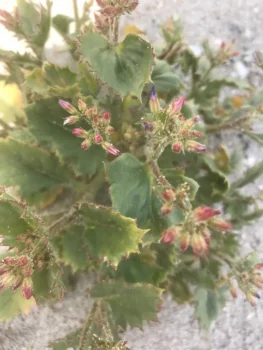
Broadleaf Gilia: A Delicate Desert Native for Low-Water Gardens
Meet broadleaf gilia (Aliciella latifolia latifolia), a charming little wildflower that proves you don’t need to be flashy to be fabulous. This native annual might not win any showiest flower contests, but it’s got something better going for it – it’s perfectly adapted to thrive in tough conditions while supporting local wildlife.
What Is Broadleaf Gilia?
Don’t let the name fool you – broadleaf gilia actually has quite narrow, linear leaves! This little forb (that’s botanist-speak for a non-woody flowering plant) is a true southwestern native, naturally occurring across Arizona, California, Nevada, and Utah. You might also see it listed under its former scientific names, Gilia latifolia, but it’s the same delightful desert dweller.
As an annual, broadleaf gilia completes its entire life cycle in one growing season, sprouting from seed, flowering, setting seed, and then gracefully bowing out until next year’s seeds take the stage.
- Species observed
- No observations
Why Plant Broadleaf Gilia?
Here’s where this unassuming little plant really shines:
- Water-wise wonder: Once established, it needs minimal irrigation – perfect for drought-conscious gardeners
- Pollinator magnet: Those delicate tubular flowers are perfectly sized for native bees and butterflies
- Low-maintenance: No fussing required – it actually prefers poor soils
- Native credentials: Supporting local ecosystems while reducing water usage
- Self-seeding: Plant it once, and it may return on its own in future years
Garden Design Ideas
Broadleaf gilia works beautifully in:
- Desert and xeric landscape designs
- Wildflower meadows and naturalized areas
- Rock gardens where its delicate texture provides nice contrast
- Native plant gardens focused on southwestern species
- Areas where you want seasonal interest without ongoing maintenance
Think of it as nature’s confetti – sprinkle it throughout your landscape for subtle pops of white to pale pink flowers that dance in the breeze.
Growing Conditions and Care
The beauty of broadleaf gilia is its simplicity. This little survivor thrives in conditions that would make other plants wilt:
- Sunlight: Full sun is best
- Soil: Well-draining sandy or rocky soils – clay need not apply!
- Water: Very low water needs once established
- Climate: Hardy in USDA zones 8-10
Planting and Care Tips
Ready to give broadleaf gilia a try? Here’s your game plan:
- When to plant: Direct seed in fall for spring blooms
- Soil prep: Don’t improve the soil – this plant likes it tough!
- Watering: Water gently after seeding, then back off once plants emerge
- Fertilizing: Skip it entirely – rich soils can actually harm this desert native
- Maintenance: Let plants go to seed if you want them to return next year
A Word About Conservation
While broadleaf gilia isn’t considered critically rare, it’s always good practice to source seeds responsibly from reputable native plant suppliers rather than collecting from wild populations. This ensures you’re supporting both conservation efforts and getting seeds that are well-adapted to cultivation.
The Bottom Line
Broadleaf gilia might not be the star of your garden show, but it’s definitely a reliable supporting cast member. If you’re looking for a low-maintenance native that supports pollinators, handles drought like a champ, and adds delicate texture to your landscape, this little southwestern charmer deserves a spot in your garden. Sometimes the best plants are the ones that just quietly do their job while you focus on the more demanding divas in your landscape!