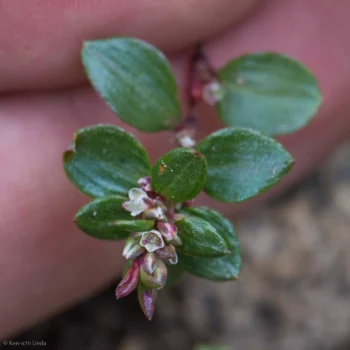
Broadleaf Knotweed: A Mysterious Member of the Knotweed Family
If you’ve stumbled across the name broadleaf knotweed (Polygonum minimum) in your gardening research, you might be scratching your head – and for good reason! This particular plant presents quite the botanical puzzle that’s worth unraveling before you consider adding it to your garden.
The Name Game: What’s in a Scientific Name?
Here’s where things get interesting (and a bit confusing). Polygonum minimum appears in some databases and references, but modern botanical classification has undergone significant changes over the years. Many plants once classified under the Polygonum genus have been reclassified into other genera like Persicaria, Reynoutria, or Fallopia. This means that Polygonum minimum might not be the current accepted scientific name for whatever plant you’re researching.
What We Know About This Mystery Plant
According to available data, this annual forb (that’s botanist-speak for a non-woody flowering plant) has quite an impressive geographic range, reportedly growing across:
- Western Canada (Alberta and British Columbia)
- Alaska
- Multiple western U.S. states including Arizona, California, Colorado, Idaho, Montana, Nevada, Oregon, Utah, Washington, and Wyoming
- Species observed
- No observations
The native status appears complex, with the plant being described as native to Canada and the lower 48 states, but possibly introduced to Alaska. This kind of mixed native status often indicates either taxonomic confusion or a plant with a naturally broad but patchy distribution.
Growing Conditions and Habitat
Based on its wetland indicator status, this plant is quite adaptable:
- In most regions, it’s classified as Facultative Upland, meaning it usually prefers drier sites but can tolerate some moisture
- In the Great Plains, it’s simply Facultative, indicating equal comfort in wet or dry conditions
- This flexibility suggests it’s not particularly fussy about soil moisture
Should You Grow It?
Here’s where we need to pump the brakes a bit. Given the taxonomic uncertainty surrounding Polygonum minimum, I’d recommend extreme caution before actively seeking out and planting this species. Here’s why:
The uncertainty factor: Without clear identification and current taxonomic status, you might accidentally introduce a problematic plant or struggle to find reliable growing information.
Better alternatives: If you’re drawn to the knotweed family for your native garden, consider well-documented native alternatives like:
- Pennsylvania smartweed (Persicaria pensylvanica)
- Water smartweed (Persicaria amphibia)
- Wild buckwheat (Eriogonum species native to your region)
The Bottom Line
While broadleaf knotweed might sound like an intriguing addition to your native plant collection, the taxonomic mystery surrounding Polygonum minimum makes it a risky choice. Instead of chasing after this botanical question mark, focus your energy on well-documented native plants that will provide clear benefits to your local ecosystem.
If you’re absolutely determined to learn more about this specific plant, I’d recommend contacting your local extension office or native plant society. They might have regional knowledge about what Polygonum minimum actually refers to in your area, or they can point you toward similar native alternatives that will thrive in your garden without the guesswork.
Remember, successful native gardening is all about choosing the right plants for your specific location and goals – and that’s much easier to do when you can actually identify what you’re planting!