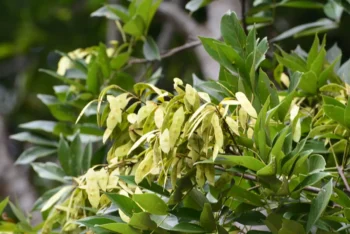
Broadleaf Lancepod: A Native Puerto Rican Tree Worth Discovering
Meet the broadleaf lancepod (Lonchocarpus heptaphyllus), a fascinating native tree that calls Puerto Rico home. While it might not be the most famous plant in your gardening circles, this perennial beauty deserves a spot on your radar if you’re passionate about native plants and tropical landscaping.
What Makes Broadleaf Lancepod Special?
The broadleaf lancepod is a true tree in every sense – we’re talking about a substantial woody plant that typically grows over 13 to 16 feet tall with a single, sturdy trunk. Though in some conditions, it might surprise you by developing multiple stems or staying more compact. It’s like nature’s way of keeping us guessing!
You might also encounter this tree listed under its former names, Lonchocarpus latifolius or Lonchocarpus pentaphyllus, so don’t let the botanical name shuffle confuse you.
Where Does It Call Home?
This tree is a proud Puerto Rican native, naturally occurring throughout the island. When we talk about truly local plants, the broadleaf lancepod is the real deal – it’s been thriving in Caribbean conditions long before any of us started thinking about sustainable gardening.
- Species observed
- No observations
Why Consider Planting Broadleaf Lancepod?
Here’s where things get interesting. As a native species, the broadleaf lancepod has several compelling qualities:
- It’s perfectly adapted to Puerto Rican growing conditions
- Supports local ecosystem health as a native species
- Functions as a substantial shade tree in tropical landscapes
- Has a facultative wetland status, meaning it’s flexible about moisture conditions
Garden Design and Landscape Role
The broadleaf lancepod works beautifully as a specimen tree or shade provider in tropical and subtropical gardens. Its size makes it ideal for larger properties where you want to create natural, native plant communities. Think of it as your landscape’s connection to Puerto Rico’s natural heritage.
This tree is particularly well-suited for:
- Native plant gardens
- Naturalized landscapes
- Large residential properties
- Areas where you want substantial shade coverage
Growing Conditions and Care
Here’s where we need to be honest – specific growing information for broadleaf lancepod is somewhat limited in cultivation guides. However, we can make educated guesses based on its native habitat and wetland status.
The tree likely thrives in:
- USDA hardiness zones 10-11 (tropical conditions)
- Well-draining soils, though it can tolerate wetter conditions
- Full to partial sun exposure
- Warm, humid climates similar to its native Puerto Rico
The Reality Check
Let’s be upfront: if you’re not gardening in a tropical climate similar to Puerto Rico, this tree probably isn’t your best choice. It’s adapted to very specific conditions, and trying to grow it outside its comfort zone would likely end in disappointment.
Additionally, finding broadleaf lancepod in regular nurseries might be challenging. This is definitely a plant for dedicated native plant enthusiasts or those specifically working with Puerto Rican flora.
The Bottom Line
Broadleaf lancepod represents something special – a chance to grow a truly native tree that’s perfectly adapted to Caribbean conditions. While it might not be the easiest plant to source or grow outside its native range, for the right gardener in the right location, it offers an authentic piece of Puerto Rico’s natural landscape.
If you’re passionate about native plants and have the appropriate tropical growing conditions, seeking out broadleaf lancepod could be a rewarding addition to your landscape. Just remember that with native plants, patience and respect for their natural requirements always pay off in the end.