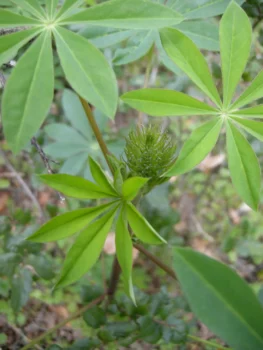
Broadleaf Lupine: A Native Showstopper for Western Gardens
If you’re looking for a native plant that combines stunning blue blooms with ecological benefits, broadleaf lupine (Lupinus latifolius) might just be your new garden favorite. This remarkable perennial brings both beauty and function to western landscapes, making it a smart choice for gardeners who want to support local ecosystems while creating eye-catching displays.
A True Western Native
Broadleaf lupine is proudly native to the lower 48 states, specifically thriving across the American West. You’ll find this beautiful forb naturally growing throughout Arizona, California, Nevada, New Mexico, Oregon, Utah, and Washington. As a true native, it’s perfectly adapted to western growing conditions and plays an important role in local ecosystems.
- Species observed
- No observations
What Makes Broadleaf Lupine Special
This isn’t your average garden perennial. Broadleaf lupine is a forb – essentially a soft-stemmed, herbaceous plant that lacks woody tissue but packs plenty of visual punch. Here’s what makes it stand out:
- Conspicuous blue flowers that bloom in mid-spring
- Attractive green foliage with medium texture
- Erect, multiple-stem growth form
- Rapid growth rate for quick establishment
- Brown seeds that remain visible and add interest
Garden Role and Design Applications
Broadleaf lupine shines in naturalized landscapes and moisture-loving garden areas. Its nitrogen-fixing ability makes it an excellent companion plant, actually improving soil fertility for neighboring plants. The rapid growth and impressive height make it perfect for:
- Wildflower meadows and prairie gardens
- Native plant landscapes
- Areas with consistent moisture
- Naturalized borders and transitions
Growing Conditions: What Broadleaf Lupine Needs
While broadleaf lupine is relatively easy to grow, it does have some specific preferences. Understanding these will help you create the perfect environment for success.
Soil Requirements:
- Prefers fine to medium textured soils
- Slightly acidic to neutral pH (6.5-7.0)
- Good drainage is important despite high moisture needs
- Low fertility requirements – this plant isn’t fussy about rich soil
Water and Climate Needs:
- High moisture use – keep it consistently watered
- Requires at least 150 frost-free days
- Annual precipitation needs of 10-15 inches
- Tolerates shade, making it versatile for different garden spots
Planting and Propagation
Getting broadleaf lupine established in your garden is straightforward, though you’ll need to source your plants carefully since commercial availability is limited.
Propagation Methods:
- Seed propagation is highly successful with about 34,600 seeds per pound
- Container-grown plants establish well
- Seeds show high vigor and rapid spread
- Plant density can range from 700-2,700 plants per acre depending on your goals
Timing and Care:
- Spring planting works best in most western regions
- Seeds are produced from spring through fall
- Rapid establishment means you’ll see results quickly
- Minimal fertilizer needs thanks to nitrogen-fixing ability
Wildlife and Ecological Benefits
Beyond its garden appeal, broadleaf lupine provides valuable ecological services. Its wetland status varies by region – it’s considered a facultative wetland plant in some areas and facultative in others, meaning it’s adaptable to both wet and moderately dry conditions. This flexibility makes it valuable for supporting diverse wildlife habitats.
The nitrogen-fixing ability improves soil health naturally, reducing the need for synthetic fertilizers in your garden ecosystem.
Important Considerations
Before adding broadleaf lupine to your garden, keep these factors in mind:
- The plant has severe toxicity – keep away from livestock and pets
- It’s not drought tolerant, so consistent watering is essential
- Low fire tolerance means it’s not ideal for high fire-risk areas
- Limited cold tolerance may restrict growing zones
Is Broadleaf Lupine Right for Your Garden?
Broadleaf lupine is an excellent choice for western gardeners who want to embrace native plants while creating beautiful, ecologically beneficial landscapes. It’s particularly well-suited for gardeners with:
- Consistent water availability
- Interest in supporting native ecosystems
- Desire for rapid-establishing plants
- Gardens in suitable western climates
While it requires attention to moisture needs and has some limitations regarding toxicity and fire tolerance, broadleaf lupine offers unique benefits that make it worth considering for the right garden situation. Its native status, beautiful blooms, and soil-improving qualities make it a valuable addition to thoughtful, sustainable landscapes.
Just remember to source plants responsibly and always consider local growing conditions before adding any new plant to your garden. When grown in its preferred conditions, broadleaf lupine can be a stunning and beneficial addition to western native plant gardens.