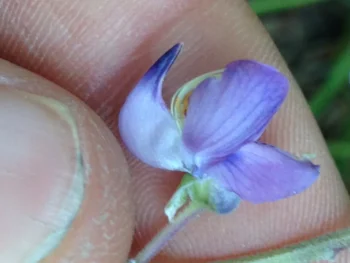
Broadleaf Lupine: A Pacific Coast Native That’s Perfect for Your Garden
If you’re looking for a show-stopping native plant that’ll have your neighbors asking what’s that gorgeous purple flower? then broadleaf lupine (Lupinus latifolius latifolius) might just be your new best friend. This Pacific Coast beauty brings serious flower power to any garden while supporting local wildlife – talk about a win-win!
What Makes Broadleaf Lupine Special?
Broadleaf lupine is a true West Coast native, calling California, Oregon, and Washington home. As a perennial forb, it comes back year after year without the fuss of replanting, making it a fantastic investment for your garden. Unlike woody plants, this lupine stays herbaceous but packs a punch with its stunning display.
- Species observed
- No observations
The plant gets its broadleaf name from its distinctive palmate leaves – think of them as nature’s own little umbrellas. But the real showstopper is those gorgeous purple-blue flower spikes that shoot up like colorful rockets in late spring and early summer.
Why Your Garden (and Local Wildlife) Will Love It
Here’s where broadleaf lupine really shines – it’s basically a pollinator magnet! Bees go absolutely crazy for the nectar-rich flowers, and butterflies aren’t far behind. If you’re trying to create a pollinator-friendly space, this native beauty should definitely be on your list.
Beyond the wildlife benefits, broadleaf lupine is perfect for:
- Native plant gardens that celebrate local flora
- Naturalized landscapes where you want that wild meadow look
- Pollinator gardens focused on supporting local ecosystems
- Low-maintenance areas where you want maximum impact with minimal effort
Growing Broadleaf Lupine Successfully
The good news? Broadleaf lupine isn’t particularly fussy once it gets established. Here’s what you need to know:
Growing Conditions: This lupine thrives in well-drained soils and loves full sun, though it can handle some partial shade. Once established, it’s quite drought tolerant – perfect for those of us who sometimes forget to water!
Climate Zones: Broadleaf lupine is hardy in USDA zones 7-10, making it suitable for most areas within its native range.
Planting and Care Tips
Ready to add some broadleaf lupine to your garden? Here’s how to set yourself up for success:
- Timing: Fall is the best time for direct seeding, as the seeds benefit from natural stratification over winter
- Watering: Give new plants regular water their first year, then back off – established plants are quite drought tolerant
- Support: In windy areas, taller flower spikes might appreciate some staking
- Maintenance: Minimal! Just deadhead spent flowers if you want to prevent self-seeding
A Few Things to Keep in Mind
Like many lupines, broadleaf lupine can self-seed readily in ideal conditions. This isn’t necessarily a bad thing – free plants! – but it’s something to be aware of if you prefer a more controlled garden look.
Also worth noting: this plant has quite the collection of scientific aliases (botanists really went to town with the naming on this one!), so you might see it listed under various synonyms when plant shopping.
The Bottom Line
Broadleaf lupine offers that perfect combination of stunning looks, ecological benefits, and easy-going nature that makes it a fantastic choice for Pacific Coast gardens. Whether you’re creating a pollinator paradise or just want to add some native flair to your landscape, this perennial performer delivers season after season. Plus, knowing you’re supporting local wildlife while creating a beautiful garden? That’s what we call gardening with purpose!