Broadleaf Lupine: A California Native Worth Growing
Meet the broadleaf lupine (Lupinus latifolius parishii), a charming California native that deserves a spot in your garden! This perennial wildflower brings both beauty and ecological value to landscapes, making it a fantastic choice for gardeners who want to support local wildlife while enjoying gorgeous blooms.
What Makes Broadleaf Lupine Special?
This lovely lupine is a true California native, naturally occurring in the Golden State’s diverse landscapes. As a perennial forb, it’s an herbaceous plant that returns year after year without developing woody stems, making it perfect for wildflower gardens and naturalized areas.
The broadleaf lupine is found throughout California, from mountain foothills to coastal regions, where it has adapted to the state’s Mediterranean climate.
- Species observed
- No observations
Garden Appeal and Design Uses
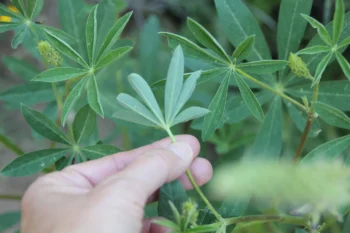
What’s not to love about those classic lupine flower spikes? Broadleaf lupine produces beautiful purple-blue flower spikes that rise above attractive palmate leaves (think of them as hand-shaped with multiple leaflets). These showy blooms make excellent cut flowers and add vertical interest to garden beds.
This versatile native works wonderfully in:
- Native plant gardens
- Wildflower meadows
- Drought-tolerant landscapes
- Pollinator gardens
- Naturalized hillside plantings
Wildlife and Pollinator Benefits
Here’s where broadleaf lupine really shines! This native beauty is a pollinator magnet, attracting bees, butterflies, and other beneficial insects with its nectar-rich flowers. As a member of the pea family, it also has the superpower of fixing nitrogen in the soil, actually improving growing conditions for neighboring plants.
Growing Conditions and Care
Good news for busy gardeners – broadleaf lupine is relatively low-maintenance once established! It thrives in USDA hardiness zones 8-10, making it perfect for most of California and similar climates.
Here’s what this lupine loves:
- Well-draining soil (essential – soggy roots are a no-go!)
- Full sun to partial shade
- Minimal water once established
- Good air circulation
Planting and Care Tips
The best way to establish broadleaf lupine is through direct seeding in fall. Like many natives, the seeds need a period of winter chill to germinate properly in spring. Here’s how to succeed:
- Sow seeds directly in the garden in fall
- Scarify seeds lightly or soak overnight before planting
- Plant in well-draining soil – add sand or gravel if needed
- Water regularly the first year, then reduce watering significantly
- Deadhead spent flowers to encourage more blooms
A Word About Conservation
Broadleaf lupine has a somewhat unclear conservation status, so it’s always best to source your plants or seeds from reputable native plant nurseries rather than collecting from the wild. This ensures you’re getting properly propagated material while helping preserve wild populations.
The Bottom Line
If you’re gardening in California or a similar Mediterranean climate, broadleaf lupine is definitely worth adding to your plant palette. It’s beautiful, supports local wildlife, requires minimal water once established, and adds that authentic California native feel to your landscape. Plus, you’ll be doing your part to preserve and celebrate the Golden State’s incredible botanical heritage!
Remember, this lovely lupine also goes by the scientific names Lupinus latifolius Lindl. ex J. Agardh var. parishii C.P. Sm. and Lupinus parishii (C.P. Sm.) Eastw., so don’t be confused if you see it listed under these synonyms at nurseries.