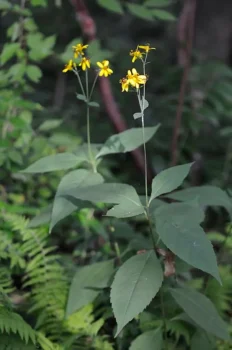
Broadleaf Tickseed: A Rare Southeastern Native Worth Protecting in Your Garden
Meet broadleaf tickseed (Coreopsis latifolia), a charming yet vulnerable native wildflower that’s quite different from its sun-loving cousins. While most Coreopsis species bask in full sun, this woodland beauty prefers the dappled shade of forest edges and clearings, making it a unique addition to native plant gardens across the Southeast.
A Rare Gem of the Southeastern Woodlands
Broadleaf tickseed is a perennial forb native to just four southeastern states: Georgia, North Carolina, South Carolina, and Tennessee. Unlike the more common tickseed varieties you might know, this species has earned a Global Conservation Status of S3, meaning it’s considered vulnerable throughout its range. With only 21 to 100 known occurrences and an estimated 3,000 to 10,000 individual plants remaining in the wild, this is truly a special plant worth protecting.
- Species observed
- No observations
Why Choose Broadleaf Tickseed for Your Garden?
If you’re lucky enough to live within its native range, broadleaf tickseed offers several compelling reasons to earn a spot in your landscape:
- Conservation impact: By growing this rare native, you’re helping preserve genetic diversity and supporting local ecosystems
- Shade tolerance: Unlike most Coreopsis species, this one thrives in partial shade to full shade conditions
- Pollinator magnet: The bright yellow, daisy-like flowers attract native bees, butterflies, and other beneficial insects
- Low maintenance: Once established, it requires minimal care beyond consistent moisture
- Authentic native gardening: Perfect for creating truly local, regionally appropriate landscapes
Garden Design and Landscape Role
Broadleaf tickseed shines in native plant gardens, naturalized woodland areas, and pollinator gardens. Its preference for partial to full shade makes it an excellent choice for:
- Woodland gardens and forest edge plantings
- Native plant conservation gardens
- Shaded cottage garden borders
- Rain gardens in partially shaded areas
- Naturalized meadow plantings with dappled light
Growing Conditions and Care
Success with broadleaf tickseed comes from mimicking its natural woodland habitat:
Light Requirements: Partial shade to full shade (unlike most Coreopsis species)
Soil Needs: Moist, well-draining soil with organic matter. It appreciates consistent moisture but won’t tolerate waterlogged conditions.
Hardiness: Thrives in USDA zones 6-9, perfectly suited to its southeastern native range.
Planting Tips:
- Plant in spring or fall for best establishment
- Space plants 12-18 inches apart
- Apply organic mulch to retain moisture and suppress weeds
- Water regularly during the first growing season
A Word About Responsible Sourcing
Important: Given its vulnerable status, only purchase broadleaf tickseed from reputable native plant nurseries that propagate their own stock rather than wild-collecting. Never harvest seeds or plants from wild populations. By choosing responsibly sourced plants, you’re supporting conservation efforts rather than contributing to further decline of wild populations.
Bloom Time and Appearance
From late spring through early summer, broadleaf tickseed produces cheerful yellow flowers with eight broad petals surrounding a central disc. The blooms are classic daisy-like flowers that stand out beautifully against the plant’s foliage, creating bright spots of color in shaded garden areas where such vibrant blooms are often rare.
The Bottom Line
If you live in Georgia, North Carolina, South Carolina, or Tennessee and have a partially shaded garden space, broadleaf tickseed offers a wonderful opportunity to grow something truly special. You’ll be supporting conservation efforts, providing habitat for native pollinators, and enjoying a unique native wildflower that few gardeners get to experience. Just remember to source your plants responsibly – this rare beauty deserves our protection both in gardens and in the wild.