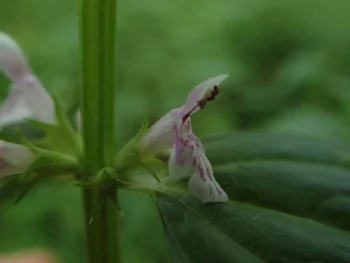
Broadtooth Hedgenettle: A Hidden Gem for Woodland Gardens
If you’re looking to add some native charm to your shady garden spots, broadtooth hedgenettle (Stachys latidens) might just be the understated beauty you’ve been searching for. This perennial member of the mint family brings subtle elegance and ecological value to woodland gardens across the southeastern United States.
What is Broadtooth Hedgenettle?
Broadtooth hedgenettle is a native perennial forb that belongs to the mint family, and like its relatives, it sports the characteristic square stems that make identification a breeze. This herbaceous plant lacks woody tissue above ground, instead relying on underground structures to survive winter and return each growing season. You might also see it listed under its synonym Stachys tenuifolia var. latidens in some older gardening references.
Where Does It Grow Naturally?
This native beauty calls the southeastern United States home, naturally occurring across a range of states including Alabama, Georgia, Kansas, Maryland, North Carolina, South Carolina, Tennessee, Virginia, West Virginia, and even the District of Columbia. In these regions, you’ll typically find it thriving in woodland edges and forest understories.
- Species observed
- No observations
Why Plant Broadtooth Hedgenettle?
There are several compelling reasons to consider adding this native plant to your garden:
- Native plant benefits: Supporting local ecosystems by choosing plants that evolved in your region
- Pollinator magnet: The small, tubular purple-pink flowers attract bees, butterflies, and other beneficial insects
- Low maintenance: Once established, this perennial requires minimal care
- Adaptable: Can handle both wetland and non-wetland conditions, making it versatile for various garden situations
- Woodland charm: Perfect for naturalized areas and shade gardens where you want that authentic woodland feel
Garden Design and Landscape Role
Broadtooth hedgenettle shines in woodland gardens, naturalized areas, and as an understory plant in shaded landscapes. Its modest height and spreading habit make it an excellent choice for filling in gaps between larger perennials or shrubs. The plant works particularly well in:
- Native plant gardens
- Woodland and forest edge plantings
- Shade perennial borders
- Rain gardens (thanks to its facultative wetland status)
- Naturalized meadow edges
Growing Conditions and Care
One of the best things about broadtooth hedgenettle is its easygoing nature. This adaptable native thrives in USDA hardiness zones 5-9, making it suitable for much of the country. Here’s what it prefers:
- Light: Partial shade to full shade
- Soil: Moist to moderately dry soils, adaptable to various soil types
- Water: Moderate moisture, though it can handle some drought once established
- Maintenance: Very low once established
Planting and Care Tips
Getting started with broadtooth hedgenettle is refreshingly straightforward:
- Plant in spring or fall when temperatures are moderate
- Space plants according to your desired coverage – they’ll naturally spread over time
- Water regularly during the first growing season to help establish roots
- Once established, occasional watering during dry spells is usually sufficient
- Allow the plant to self-seed if you want it to naturalize in your garden
- Deadhead spent flowers if you prefer a tidier appearance, though leaving them provides seed for wildlife
Wildlife and Ecological Benefits
Beyond its pollinator appeal, broadtooth hedgenettle contributes to local ecosystems in meaningful ways. Its flowers provide nectar for various small pollinators, while the seeds can offer food for birds. As a native plant, it supports the complex web of relationships between local wildlife and flora that have developed over thousands of years.
Is Broadtooth Hedgenettle Right for Your Garden?
If you have shady spots that could use some native flair, broadtooth hedgenettle deserves serious consideration. It’s particularly perfect for gardeners who appreciate understated beauty over flashy blooms and want to support local wildlife. However, if you’re looking for a showstopping focal point or need a plant for full sun locations, you might want to explore other native options.
This charming native offers the perfect combination of ecological benefits, low maintenance requirements, and subtle beauty that makes any woodland garden feel more authentic and alive. Give broadtooth hedgenettle a try – your local pollinators will thank you!