Broadwing Sedge: Your Wetland Garden’s Best Friend
If you’ve been searching for the perfect native plant to tackle those soggy spots in your yard, meet broadwing sedge (Carex alata) – a hardy perennial that absolutely thrives where other plants fear to tread. This unsung hero of the wetland world might just be the solution to your waterlogged woes.
What Makes Broadwing Sedge Special?
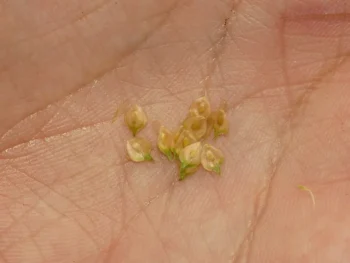
Don’t let the name sedge fool you into thinking this is just another boring grass-like plant. Broadwing sedge earned its common name from the distinctive broad wings on its seed cases, creating an interesting textural element that sets it apart from ordinary lawn grass. This native beauty forms attractive clumps of green foliage that can develop lovely bronze tones as the seasons change.
A True American Native
Broadwing sedge is authentically American, native to both Canada and the lower 48 states. You’ll find this adaptable plant naturally occurring across a impressive range of states, from Alabama and Arkansas in the south, all the way up to Massachusetts and New Hampshire in the northeast, and west to Texas and Missouri. It’s also found in Ontario, Canada, making it a truly continental species.
- Species observed
- No observations
However, gardeners in Arkansas should take note: broadwing sedge has a rarity status of S1 in that state, meaning it’s critically imperiled. If you’re planting in Arkansas, make sure to source your plants responsibly from reputable native plant nurseries rather than wild-collecting.
The Ultimate Water Lover
Here’s what makes broadwing sedge absolutely perfect for challenging wet spots: it’s classified as an obligate wetland plant across all regions where it grows. This means it almost always occurs in wetlands naturally – so those perpetually soggy areas in your yard that give other plants root rot? This sedge will consider them prime real estate.
Perfect Places to Plant
Broadwing sedge shines in several garden situations:
- Rain gardens where water collects after storms
- Pond and water feature margins
- Bog gardens and wetland restorations
- Erosion control on wet slopes
- Native plant gardens emphasizing local ecosystems
Growing Broadwing Sedge Successfully
The beauty of broadwing sedge lies in its simplicity – once you understand its needs, it’s remarkably low-maintenance.
Light Requirements: This adaptable sedge performs well in full sun to partial shade, making it versatile for different garden locations.
Soil and Water: Consistently moist to wet soils are essential. This plant can handle periodic flooding that would kill most garden plants. Think of it as your garden’s emergency flood response team.
Hardiness: Broadwing sedge is tough, surviving in USDA hardiness zones 3 through 9. Whether you’re dealing with harsh northern winters or hot southern summers, this perennial can handle it.
Planting Tips: Spring is the ideal planting time. Space plants according to how quickly you want coverage – they’ll spread naturally through underground rhizomes to form colonies over time. Keep the soil consistently moist, especially during the first growing season as plants establish.
Benefits Beyond Beauty
While broadwing sedge might not have the showy flowers of a garden perennial, it provides crucial ecological benefits. As a native wetland plant, it supports specialized insects and other wildlife that depend on native sedge communities. It’s also excellent for erosion control in wet areas where other plants struggle to establish.
Maintenance Made Easy
Once established, broadwing sedge is refreshingly low-maintenance. No need for fertilizers, pesticides, or constant watering – nature designed this plant to thrive with minimal human intervention. In late winter or early spring, you can cut back the previous year’s growth if desired, though many gardeners leave it for winter interest and wildlife habitat.
Is Broadwing Sedge Right for Your Garden?
Consider broadwing sedge if you have consistently wet or seasonally flooded areas, want to support native wildlife, or are working on wetland restoration projects. It’s not the right choice for dry, well-drained garden beds, but for those challenging wet spots, it’s nearly perfect.
Remember, gardening with native plants like broadwing sedge isn’t just about solving landscape problems – it’s about creating habitat and supporting the intricate web of life that makes our local ecosystems thrive. Sometimes the most unassuming plants turn out to be the most valuable garden allies.