Brome-Like Sedge: A Hardy Native for Wet Spots in Your Garden
If you’ve got a soggy spot in your yard that seems to challenge every plant you try, let me introduce you to a quiet champion: the brome-like sedge (Carex bromoides). This unassuming native perennial might not win any flashy flower contests, but it’s exactly what your wet, tricky areas have been waiting for.
What Is Brome-Like Sedge?
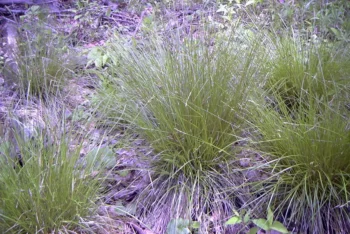
Brome-like sedge is a grass-like perennial that belongs to the sedge family. Don’t let the grass-like description fool you into thinking it’s high-maintenance lawn material – this little workhorse is in a league of its own. It forms low, dense tufts of narrow green leaves and produces modest brownish flower spikes in late spring to early summer. While it won’t stop traffic with showy blooms, its subtle beauty lies in its reliable, steady presence.
Where Does It Call Home?
This sedge is a true North American native, naturally occurring throughout eastern regions from Canada down to Florida and stretching west to Texas and Minnesota. You’ll find it growing wild in these states and provinces: Alabama, Arkansas, Connecticut, Delaware, District of Columbia, Florida, Georgia, Illinois, Indiana, Kentucky, Louisiana, Maine, Maryland, Massachusetts, Michigan, Minnesota, Mississippi, Missouri, New Brunswick, New Hampshire, New Jersey, New York, North Carolina, Nova Scotia, Ohio, Ontario, Pennsylvania, Quebec, Rhode Island, South Carolina, Tennessee, Texas, Vermont, Virginia, West Virginia, and Wisconsin.
- Species observed
- No observations
Why You Might Want This Sedge in Your Garden
Here’s where brome-like sedge really shines: it thrives in conditions that make other plants throw in the towel. Classified as a facultative wetland plant across its range, it’s perfectly happy with wet feet but can also tolerate drier conditions once established.
Perfect for Problem Areas
- Rain gardens and bioswales
- Pond or stream edges
- Woodland gardens with seasonal flooding
- Low-lying areas that stay moist
- Naturalized meadow plantings
Low-Maintenance Appeal
Once established, this sedge is wonderfully self-sufficient. It spreads slowly by underground rhizomes, creating a dense mat that helps prevent erosion – a bonus feature for those challenging wet slopes.
Growing Brome-Like Sedge Successfully
Ideal Growing Conditions
- Soil: Moist to wet soils; tolerates clay and seasonal flooding
- Light: Partial shade to full sun (quite adaptable)
- Hardiness: USDA zones 3-9
- Water: Consistently moist preferred, but drought tolerant once established
Planting and Care Tips
The beauty of brome-like sedge lies in its simplicity. Plant it in spring or fall, water it well initially, and then step back and let it do its thing. Here are a few tips to set you up for success:
- Space plants 12-18 inches apart for groundcover effect
- Mulch around new plantings to retain moisture
- No fertilizer needed – it’s adapted to naturally nutrient-rich wetland soils
- Cut back old foliage in late winter if desired, though it’s not necessary
- Division can be done in spring or fall if you want to propagate
Wildlife and Ecosystem Benefits
While brome-like sedge is wind-pollinated rather than insect-pollinated, it still provides valuable ecosystem services. The dense tufts offer shelter and nesting material for small wildlife, and the seeds provide food for birds. Its root system helps filter water runoff and prevents soil erosion – making it an excellent choice for environmentally conscious gardeners.
Is This Sedge Right for Your Garden?
Brome-like sedge isn’t the plant for gardeners seeking dramatic focal points or showy seasonal color. But if you’re looking for a reliable, native solution to wet areas, or want to create a naturalized landscape that supports local ecosystems, this modest sedge deserves serious consideration.
It’s particularly perfect for gardeners who appreciate the set it and forget it approach to landscaping. Once established, it requires virtually no maintenance while providing year-round structure and subtle seasonal interest.
Consider brome-like sedge as nature’s answer to those challenging wet spots where other plants fear to tread. Sometimes the quiet, dependable choices make the biggest difference in creating a sustainable, thriving garden.