Brookfoam: A Delicate Native Beauty for Shady Spots
If you’re looking for a charming native perennial to brighten up those shadowy corners of your garden, let me introduce you to brookfoam (Boykinia). This understated beauty might not be the showiest plant on the block, but it has a quiet elegance that makes it a wonderful addition to woodland gardens and naturalized landscapes.
What Makes Brookfoam Special?
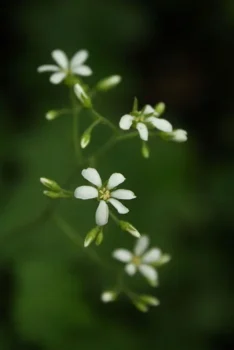
Brookfoam is a native North American perennial that brings a delicate touch to shade gardens. With its heart-shaped leaves and clusters of small white flowers, this plant offers subtle beauty that complements rather than competes with flashier garden stars. The flowers typically appear in late spring to early summer, creating airy sprays that dance above the foliage.
Where Does Brookfoam Call Home?
This native gem has quite an impressive range across North America. You can find brookfoam species naturally growing from Alaska and Canada down through many U.S. states, including Alabama, California, Georgia, Idaho, Kentucky, Montana, North Carolina, Oregon, South Carolina, Tennessee, Virginia, Washington, and West Virginia. This wide distribution means there’s likely a brookfoam species that’s perfectly adapted to your local conditions.
- Species observed
- No observations
Why Consider Brookfoam for Your Garden?
Here are several compelling reasons to give brookfoam a spot in your landscape:
- Native plant benefits: As a native species, brookfoam supports local ecosystems and requires less water and maintenance once established
- Shade tolerance: Perfect for those challenging shady areas where many plants struggle
- Pollinator support: The small flowers attract beneficial insects like flies and small bees
- Low maintenance: Once established, brookfoam is relatively easy to care for
- Naturalistic appeal: Ideal for woodland gardens, shade borders, and naturalized areas
Growing Conditions and Care
Brookfoam thrives in conditions that mimic its natural woodland habitat. Here’s what this perennial prefers:
- Light: Partial to full shade (morning sun with afternoon shade works well)
- Soil: Moist, well-draining soil rich in organic matter
- Water: Consistent moisture, but not waterlogged conditions
- Temperature: Generally hardy in USDA zones 4-8, depending on the specific species
- pH: Slightly acidic to neutral soil
Planting and Care Tips
Getting brookfoam established in your garden is relatively straightforward:
- Planting time: Spring or fall are ideal planting seasons
- Soil preparation: Amend heavy clay soils with compost to improve drainage
- Spacing: Allow adequate space for the plant to spread naturally
- Mulching: Apply a layer of organic mulch to retain moisture and suppress weeds
- Watering: Keep soil consistently moist, especially during the first growing season
- Fertilizing: Generally unnecessary if planted in rich, organic soil
Design Ideas and Garden Companions
Brookfoam works beautifully in several garden settings:
- Woodland gardens: Plant alongside ferns, wild ginger, and other shade-loving natives
- Shade borders: Use as a groundcover or mid-border plant
- Rain gardens: Its tolerance for moist conditions makes it suitable for areas with seasonal flooding
- Rock gardens: Some species work well in partially shaded rock gardens
Is Brookfoam Right for Your Garden?
Brookfoam is an excellent choice if you have shady areas that need gentle, natural-looking plants. It’s particularly valuable for gardeners interested in supporting native ecosystems and creating low-maintenance landscapes. However, if you’re looking for bold, showy flowers or plants for full-sun locations, you might want to consider other options.
This native perennial rewards patient gardeners with years of quiet beauty and ecological benefits. While it may not be the star of your garden, brookfoam provides the kind of understated elegance that makes everything else look better – and that’s a pretty special quality in any plant.