Broom Snakeweed: A Hardy Native for Drought-Tolerant Gardens
If you’re looking for a tough-as-nails native plant that can handle whatever Mother Nature throws at it, broom snakeweed (Gutierrezia sarothrae) might just be your new best friend. This unassuming little perennial herb has been quietly thriving across much of North America for ages, and it’s ready to bring its no-nonsense attitude to your landscape.
What Exactly Is Broom Snakeweed?
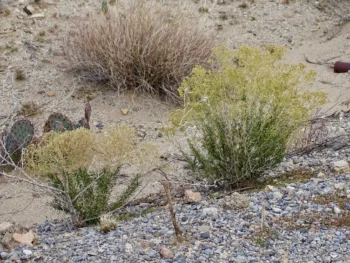
Don’t let the name fool you – this isn’t actually a weed in the traditional sense, though it can certainly spread like one when happy! Broom snakeweed is a native perennial forb (that’s botanist speak for a non-woody flowering plant) that grows as a single-crowned plant reaching about 1.5 feet tall. Think of it as nature’s own little broom, with fine-textured, coarse foliage that stays green through the growing season.
During early summer, this hardy little plant produces small yellow flowers that, while not particularly showy on their own, create a pleasant golden haze when planted in groups. The real show comes later when the brown seeds develop and persist through fall, adding texture and interest to the autumn landscape.
Where Does It Call Home?
Broom snakeweed is a true North American native, naturally occurring across an impressive range that includes both Canada and the lower 48 states. You’ll find it growing wild in Alberta, Manitoba, Saskatchewan, and then stretching down through Arizona, California, Colorado, Idaho, Kansas, Minnesota, Montana, Nebraska, Nevada, New Mexico, New York, North Dakota, Oklahoma, Oregon, South Carolina, South Dakota, Texas, Utah, Washington, and Wyoming. That’s quite the traveling resume!
- Species observed
- No observations
Should You Plant It?
Here’s where things get interesting. Broom snakeweed has a Global Conservation Status of S2S3, which means its populations are somewhat uncommon to uncommon in many areas. If you’re considering adding this plant to your garden, make sure you source it from responsible native plant nurseries rather than collecting from wild populations.
This plant is perfect for:
- Xeriscaping and drought-tolerant landscapes
- Prairie restoration projects
- Naturalized areas where you want low-maintenance natives
- Erosion control on slopes
- Areas with poor soil where other plants struggle
However, you might want to think twice about planting it if:
- You prefer formal, manicured garden spaces
- You want showy, colorful flowers
- You’re dealing with fine-textured, rich soils where it might become too aggressive
Growing Conditions: Less Is Definitely More
The beauty of broom snakeweed lies in its ability to thrive where other plants fear to tread. This tough customer actually prefers life on the challenging side:
- Soil: Adaptable to coarse, medium, or fine-textured soils with a pH between 6.0-8.0
- Water: High drought tolerance once established; actually prefers dry conditions
- Sun: Full sun only – this plant is completely shade intolerant
- Temperature: Hardy to -38°F (roughly USDA zones 3-9)
- Fertility: Low fertility requirements – rich soil might actually make it too aggressive
The plant needs at least 140 frost-free days and grows best in areas receiving 7-30 inches of annual precipitation. Its roots can reach at least 16 inches deep, helping it access water during dry spells.
Planting and Care: Set It and (Almost) Forget It
Growing broom snakeweed is refreshingly straightforward. Here’s how to get started:
- Propagation: Grow from seed – it’s currently only available through specialized contracting, so you’ll need to source seeds from native plant suppliers
- Seeding: With 225,000 seeds per pound, a little goes a long way! Seeds spread rapidly once established
- Timing: Plant in spring for best establishment
- Spacing: Give plants room to spread naturally
- Watering: Water during establishment, then step back – overwatering can cause problems
- Fertilizing: Don’t! This plant thrives in lean soils
Once established, broom snakeweed requires minimal care. It has a moderate growth rate and moderate lifespan, and while it doesn’t resprout from damage, it will self-seed readily in suitable conditions.
Wildlife and Pollinator Benefits
While broom snakeweed might not be the flashiest plant in your garden, it provides valuable resources for native wildlife. The small yellow flowers attract various pollinators during the early summer bloom period, including native bees and beneficial insects. The persistent seeds provide food for birds through fall and winter.
The Bottom Line
Broom snakeweed isn’t going to win any beauty contests, but it’s a workhorse native plant that excels in challenging conditions where other plants struggle. If you’re creating a drought-tolerant landscape, working on prairie restoration, or need something tough for a difficult site, this unassuming native could be exactly what you need. Just remember to source it responsibly, give it the sunny, dry conditions it craves, and then step back and let it do what it does best – survive and thrive with minimal fuss.