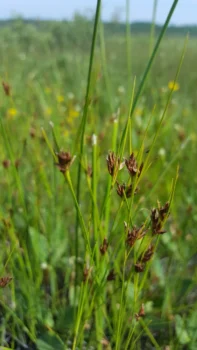
Brown Beaksedge: A Humble Hero for Wetland Gardens
If you’re looking to create a rain garden, restore a wetland area, or add some authentic native texture to a boggy spot in your yard, let me introduce you to brown beaksedge (Rhynchospora fusca). This unassuming little sedge might not win any beauty contests, but it’s absolutely invaluable for anyone working with wet soils and native plant communities.
What Is Brown Beaksedge?
Brown beaksedge is a perennial sedge that belongs to that wonderful group of grass-like plants that includes sedges, rushes, and true grasses. Don’t let the grass-like description fool you though – this plant is perfectly content living in conditions that would drown most lawn grasses! As a member of the sedge family (Cyperaceae), it’s built for life in wet places.
Where Brown Beaksedge Calls Home
This hardy native has quite an impressive range across North America. You’ll find brown beaksedge naturally occurring from southeastern Canada down through much of the northeastern and north-central United States. Its range includes states from Maine to Minnesota, and from New Brunswick down to areas like Pennsylvania and West Virginia. It’s also found in several Canadian provinces including Ontario, Quebec, Nova Scotia, and even as far as Saskatchewan.
- Species observed
- No observations
Why Your Wetland Garden Needs This Plant
Here’s where brown beaksedge really shines: it’s what botanists call an obligate wetland plant, meaning it almost always occurs in wetlands. This makes it absolutely perfect for:
- Rain gardens that need plants to handle periodic flooding
- Bog gardens and wetland restorations
- Pond and stream margins
- Areas with consistently moist to wet soils
- Native plant gardens focused on authentic local ecosystems
While brown beaksedge won’t provide the flashy blooms of a cardinal flower or the dramatic height of a great blue lobelia, it offers something equally valuable: reliable, authentic texture that helps create the backbone of a naturalistic wetland planting.
The Aesthetic Appeal (Or Lack Thereof)
Let’s be honest – brown beaksedge isn’t going to stop traffic with its stunning beauty. This plant is all about subtle, naturalistic charm. It forms clumps of narrow, grass-like leaves and produces small, brownish flower clusters that are more functional than ornamental. Think of it as the quiet, dependable friend in your plant community rather than the life of the party.
Growing Brown Beaksedge Successfully
The good news is that if you can provide the right conditions, brown beaksedge is fairly easy to grow. Here’s what it needs:
Light Requirements
Brown beaksedge is flexible when it comes to light, tolerating everything from full sun to partial shade. In its natural habitat, you might find it in open wetlands or in slightly shadier spots along stream banks.
Soil and Water Needs
This is where brown beaksedge gets particular – it absolutely must have consistently wet to saturated soils. We’re talking about conditions that would be considered too wet for most garden plants. It prefers acidic to neutral soil conditions, which is typical for many wetland plants.
Climate Considerations
Brown beaksedge is quite cold-hardy, thriving in USDA hardiness zones 3 through 8. This wide range makes it suitable for gardeners across much of the northern United States and southern Canada.
Planting and Care Tips
Getting brown beaksedge established is straightforward if you have the right location:
- Plant in spring when soil temperatures are warming up
- Choose the wettest spot in your garden – seriously, this plant loves having wet feet
- Space plants about 12-18 inches apart for a naturalistic look
- Once established, maintenance is minimal – just ensure consistent moisture
- No fertilizer needed; wetland plants are adapted to nutrient-poor conditions
Wildlife and Ecological Benefits
While brown beaksedge may not be a pollinator magnet (it’s wind-pollinated rather than insect-pollinated), it still provides valuable ecological services. Sedges like this one help stabilize wet soils, filter water, and provide habitat structure for various small wildlife species that call wetlands home.
Is Brown Beaksedge Right for Your Garden?
Brown beaksedge is perfect if you:
- Have a consistently wet area that needs plants
- Are creating or restoring wetland habitat
- Want authentic native plants for your region
- Appreciate subtle, naturalistic beauty over flashy flowers
However, you might want to pass if you:
- Have typical garden soil that drains well
- Are looking for showy ornamental plants
- Don’t have a reliably wet location in your landscape
The Bottom Line
Brown beaksedge won’t win any beauty contests, but it’s an absolute champion when it comes to thriving in wet conditions where other plants would struggle. If you’re working with challenging wet soils or want to create authentic wetland habitat, this humble native sedge could be exactly what your landscape needs. Sometimes the most valuable plants are the ones that do their job quietly and efficiently – and brown beaksedge definitely fits that description!