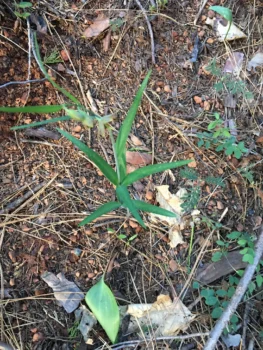
Brown Fritillary: A Hidden Gem for California Native Gardens
If you’re looking to add some understated elegance to your California native garden, the brown fritillary (Fritillaria micrantha) might just be the perfect choice. This charming little wildflower may not shout for attention like some of its showier cousins, but it brings a quiet sophistication that native plant enthusiasts absolutely adore.
What Makes Brown Fritillary Special?
Brown fritillary is a true California native, belonging to the lily family and putting on a delightful spring show with its distinctive bell-shaped flowers. These small, brownish-purple blooms hang gracefully downward like tiny lanterns, typically appearing in clusters of 1-3 flowers per stem. The plant itself is a perennial forb, meaning it’s an herbaceous plant that returns year after year without developing woody stems.
You might also see this plant listed under its former scientific names, including Fritillaria multiflora, Fritillaria parviflora, or Fritillaria purpusii, so don’t be confused if you encounter these synonyms in older gardening references.
Where Brown Fritillary Calls Home
This lovely wildflower is endemic to California, naturally occurring throughout the Coast Ranges and Sierra Nevada foothills. It’s perfectly adapted to the Golden State’s Mediterranean climate and has evolved to thrive in the unique conditions found nowhere else in the world.
- Species observed
- No observations
Why You’ll Want Brown Fritillary in Your Garden
There are several compelling reasons to consider adding brown fritillary to your landscape:
- Native credentials: As a true California native, it supports local ecosystems and requires minimal resources once established
- Pollinator magnet: The spring blooms provide valuable nectar for native bees and other small pollinators when few other flowers are available
- Low maintenance: Adapted to California’s natural wet winter/dry summer cycle, requiring little to no summer irrigation
- Unique beauty: The subtle, downward-facing flowers add an element of quiet sophistication to native gardens
- Perfect timing: Blooms in early spring (March-May) when garden color is most welcome
Ideal Garden Settings
Brown fritillary shines in several garden styles:
- Native California wildflower gardens
- Woodland and shade gardens
- Rock gardens and naturalized landscapes
- Mediterranean-style gardens
- Wildlife habitat gardens
The plant works beautifully as part of a mixed native planting, where its subtle flowers can complement showier spring bloomers without competing for attention.
Growing Brown Fritillary Successfully
Success with brown fritillary comes down to mimicking its natural habitat conditions:
Climate Requirements: This plant thrives in USDA hardiness zones 8-10, making it perfect for most of California’s populated areas.
Light and Soil: Brown fritillary prefers partial shade to full sun and absolutely demands well-draining soil. Poor drainage is the quickest way to lose this plant, so consider raised beds or amended soil if your garden tends to stay soggy.
Water Needs: Like many California natives, brown fritillary follows a seasonal rhythm. It needs regular moisture during winter and spring growing seasons but should be kept relatively dry during summer dormancy. Overwatering during the dormant period can be fatal.
Planting and Care Tips
Getting brown fritillary established requires some attention to timing and technique:
- Plant bulbs in fall: This gives them time to establish roots before their spring growing season
- Depth matters: Plant bulbs about 3-4 inches deep in well-amended, fast-draining soil
- Respect the dormancy: Allow the plant to go completely dormant in summer – this is natural and healthy
- Minimal summer water: Once established, little to no summer irrigation is needed or wanted
- Mulch wisely: A light mulch can help, but avoid heavy mulches that retain moisture during dormancy
A Few Considerations
While brown fritillary is a wonderful addition to the right garden, it’s not for everyone. This plant requires patience, as it may take a few years to become fully established. The flowers, while charming, are quite small and subtle – if you’re looking for bold, eye-catching color, you might want to pair it with showier companions.
Additionally, like all bulbs that require summer dormancy, brown fritillary will completely disappear above ground for several months each year. This makes it ideal for naturalized areas but potentially frustrating in formal garden settings where year-round presence is desired.
The Bottom Line
Brown fritillary is a true treasure for California native plant enthusiasts who appreciate subtle beauty and ecological value. While it may not win any awards for showiness, it more than makes up for it with its perfect adaptation to California conditions, valuable pollinator support, and unique charm. If you’re building a native garden that celebrates California’s natural heritage, brown fritillary deserves a spot on your plant list.