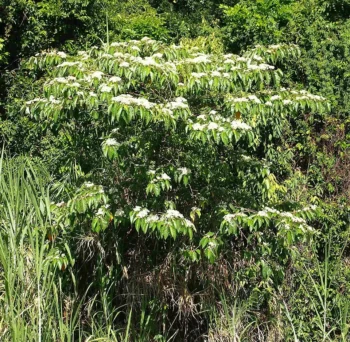
Brown Kurrajong: A Hidden Gem of Pacific Island Gardens
If you’re gardening in the tropical Pacific and looking for authentic native plants, you might want to get acquainted with the brown kurrajong (Commersonia bartramia). This lesser-known shrub is a true island native that deserves more attention from gardeners who want to create landscapes that celebrate their local flora.
What Makes Brown Kurrajong Special?
Brown kurrajong is a perennial shrub that naturally grows as a multi-stemmed woody plant, typically reaching heights of 4 to 5 meters (13 to 16 feet) under ideal conditions. Like many island natives, it’s perfectly adapted to tropical Pacific conditions and can be a wonderful addition to gardens that prioritize indigenous species.
What sets this plant apart is its authentic Pacific heritage – it’s not just another introduced ornamental, but a genuine piece of the region’s natural botanical tapestry.
Where Does Brown Kurrajong Come From?
This charming shrub is native to the Pacific Basin, specifically found growing naturally in Guam and Palau. Its limited natural distribution makes it something of a botanical treasure for gardeners in these areas who want to showcase their local plant heritage.
- Species observed
- No observations
Should You Plant Brown Kurrajong in Your Garden?
If you’re gardening in Guam, Palau, or similar tropical Pacific climates, brown kurrajong could be an excellent choice for several reasons:
- It’s perfectly adapted to local growing conditions
- Supports the preservation of indigenous plant species
- Likely provides habitat and food for native wildlife
- Requires minimal inputs once established (being locally native)
- Adds authentic regional character to your landscape
However, this plant isn’t suitable for gardeners outside of tropical Pacific climates, as it’s adapted to very specific environmental conditions.
Growing Brown Kurrajong Successfully
Here’s where we need to be honest – detailed cultivation information for brown kurrajong is limited, which isn’t uncommon for lesser-known native species. However, we can make some educated recommendations based on its natural habitat:
Climate Requirements
- Tropical climate zones (likely USDA zones 10-12)
- High humidity and warm temperatures year-round
- Protection from strong winds if possible
Growing Conditions
- Well-draining soil (most tropical natives dislike waterlogged conditions)
- Partial to full sun exposure
- Regular moisture without waterlogging
Planting and Care Tips
Since specific cultivation guidance is limited, your best approach is to:
- Source plants from local native plant societies or botanical gardens
- Mimic natural growing conditions as closely as possible
- Start with a small trial planting to observe how it performs in your specific site
- Connect with local gardening groups who may have experience with this species
- Be patient – native plants sometimes establish slowly but are worth the wait
The Bottom Line
Brown kurrajong represents an opportunity for Pacific island gardeners to grow something truly special – a plant that belongs to their landscape in the deepest sense. While we’d love to provide more detailed growing instructions, the limited cultivation information actually highlights how rare and special this plant is.
If you’re in the right climate zone and can source this plant responsibly, it could be a unique addition that connects your garden to the authentic natural heritage of the Pacific islands. Just remember to start small, observe carefully, and enjoy being one of the few gardeners growing this distinctive native species.