Brown Sedge: A Versatile Native Grass for Western Gardens
If you’re looking for a hardy, low-maintenance native plant that can handle a variety of growing conditions, brown sedge (Carex subfusca) might just be your new best friend. This unassuming perennial grass-like plant is one of those garden workhorses that quietly does its job while asking for very little in return.
What is Brown Sedge?
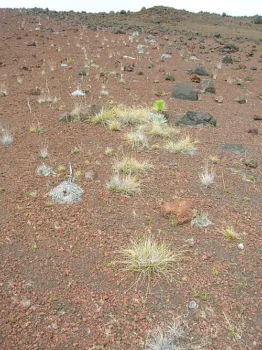
Brown sedge is a native perennial sedge that belongs to the grass-like family of plants. Don’t let the brown in its name fool you – this plant sports attractive dark green to brownish-green foliage that forms dense, tufted clumps. While it may also go by its botanical name Carex subfusca, most gardeners simply call it brown sedge.
This adaptable native has some interesting synonyms in the botanical world, including Carex macloviana d’Urv. ssp. subfusca and Carex stenoptera, but you don’t need to worry about memorizing those tongue-twisters!
Where Does Brown Sedge Call Home?
Brown sedge is a true western native, naturally occurring across an impressive range of states including Arizona, California, Colorado, Hawaii, Idaho, Montana, Nevada, New Mexico, Oregon, Utah, Washington, and Wyoming. This wide distribution is a testament to its adaptability – from desert regions to mountain meadows, this sedge has learned to thrive in diverse conditions.
- Species observed
- No observations
Why Choose Brown Sedge for Your Garden?
There are several compelling reasons to consider adding brown sedge to your landscape:
- Ultimate adaptability: Its facultative wetland status means it’s equally happy in moist and dry conditions
- Low maintenance: Once established, it requires minimal care
- Erosion control: The dense root system helps stabilize soil
- Native plant benefits: Supports local ecosystems and wildlife
- Drought tolerance: Perfect for water-wise gardening
Garden Design and Landscape Uses
Brown sedge shines in naturalized landscapes and native plant gardens. Its clumping growth habit makes it excellent for:
- Ground cover in wild or informal garden areas
- Rain gardens and bioswales
- Restoration projects
- Slope stabilization
- Understory planting in woodland gardens
The plant’s modest appearance means it works best as a supporting player rather than a showstopper, providing texture and structure while letting more colorful natives take center stage.
Growing Conditions and Care
One of brown sedge’s greatest strengths is its flexibility when it comes to growing conditions. This adaptable plant can handle:
- Light: Partial shade to full sun
- Moisture: Wet to moderately dry conditions
- Soil: Various soil types, though well-draining is preferred
- Climate: Generally hardy in USDA zones 4-9
Planting and Establishment Tips
Getting brown sedge established in your garden is refreshingly straightforward:
- Plant in spring or fall for best establishment
- Water regularly during the first growing season
- Once established, it becomes quite drought tolerant
- Little to no fertilizer needed – it prefers lean conditions
- Minimal pruning required; cut back in late winter if desired
Wildlife and Ecosystem Benefits
While brown sedge is wind-pollinated and doesn’t attract pollinators like flashy wildflowers do, it still plays an important role in the ecosystem. Native sedges provide habitat structure for small wildlife, and their seeds can feed birds and small mammals. Plus, by choosing native plants like brown sedge, you’re supporting the broader web of life that has evolved alongside these plants.
Is Brown Sedge Right for Your Garden?
Brown sedge is an excellent choice if you’re looking for a reliable, low-maintenance native that can adapt to various conditions. It’s particularly valuable for gardeners interested in:
- Native plant gardening
- Water-wise landscaping
- Natural or informal garden styles
- Erosion control solutions
- Supporting local ecosystems
While it may not win any beauty contests, brown sedge brings that quiet reliability that every garden needs. Sometimes the most valuable plants are the ones that simply do their job well, year after year, without making a fuss about it.