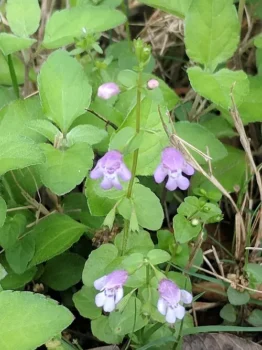
Browne’s Savory: A Fragrant Native Gem for Wetland Gardens
If you’re looking to add a touch of aromatic charm to your wetland garden while supporting local wildlife, let me introduce you to Browne’s savory (Clinopodium brownei). This delightful native perennial might not be the showiest plant in your garden, but it certainly knows how to make itself useful – and smell absolutely wonderful while doing it!
What Makes Browne’s Savory Special?
Browne’s savory is a true Southern belle, native to the southeastern United States. This charming little herb belongs to the mint family, and once you catch a whiff of its aromatic foliage, you’ll understand the family resemblance. The plant produces small, delicate white to pale pink flowers that may be tiny individually but create a lovely carpet effect when viewed together.
As a perennial forb, this plant returns year after year, slowly spreading to form a low-growing groundcover that typically reaches 6 to 18 inches in height. Don’t expect rapid expansion though – Browne’s savory is more of a slow and steady wins the race type of plant.
Where Does Browne’s Savory Call Home?
This native beauty has made itself comfortable across five southeastern states: Florida, Georgia, Louisiana, Mississippi, and Texas. If you live in these areas, you’re in luck – you can grow a plant that truly belongs in your local ecosystem!
- Species observed
- No observations
The Perfect Spot for Browne’s Savory
Here’s where things get interesting (and a bit soggy): Browne’s savory is what we call an obligate wetland plant. In plain English, this means it almost always needs its feet wet to be happy. Think of it as the plant equivalent of someone who insists on living by the beach – it just can’t thrive anywhere else.
This makes Browne’s savory perfect for:
- Rain gardens that collect runoff water
- Bog gardens or wetland restoration projects
- Areas around ponds or water features
- Low spots in your yard that stay consistently moist
- Native plant gardens focused on wetland species
Growing Conditions That Make It Happy
Browne’s savory is surprisingly low-maintenance once you get its basic needs right. Here’s what it’s looking for:
Moisture: Consistently wet to moist soil is non-negotiable. This isn’t a plant you can let dry out between waterings.
Light: Full sun to partial shade works well, though it tends to be most content with morning sun and some afternoon protection in hotter climates.
Climate: Thrives in USDA hardiness zones 8-10, making it well-suited to warmer southern climates.
Soil: Adaptable to various wet soil types, from sandy wetland soils to heavier clay that holds moisture.
Why Your Garden (and Local Wildlife) Will Love It
Beyond its pleasant fragrance and charming flowers, Browne’s savory serves as an excellent pollinator plant. Small bees, butterflies, and other beneficial insects appreciate the nectar from its modest but numerous flowers. It’s like setting up a roadside diner for pollinators – not fancy, but always welcome and reliable.
As a native plant, it also supports local ecosystems in ways that non-native plants simply can’t match, providing food and habitat that local wildlife species have evolved alongside for thousands of years.
Planting and Care Tips
Getting Browne’s savory established is refreshingly straightforward:
Planting: Spring is typically the best time to plant, giving the roots time to establish before any weather extremes. Make sure your planting site stays consistently moist.
Spacing: Give plants about 12-18 inches of space to spread naturally over time.
Watering: Once established in an appropriate wet site, additional watering is usually unnecessary. The key is choosing the right location from the start.
Maintenance: Minimal pruning needed – just remove any dead or damaged growth as necessary.
Is Browne’s Savory Right for Your Garden?
Browne’s savory is definitely worth considering if you have the right growing conditions and live within its native range. It’s perfect for gardeners who want to create wildlife-friendly spaces, work with challenging wet areas in their landscape, or simply enjoy fragrant, low-maintenance native plants.
However, if you don’t have consistently wet conditions or live outside zones 8-10, this probably isn’t the plant for you. Remember, trying to fight a plant’s natural preferences rarely leads to gardening success or happiness – for you or the plant!
For those lucky enough to have the right conditions, Browne’s savory offers a wonderful opportunity to grow something truly native while creating habitat for local pollinators. Sometimes the most rewarding plants are the ones that know exactly what they want and reward you handsomely when you provide it.