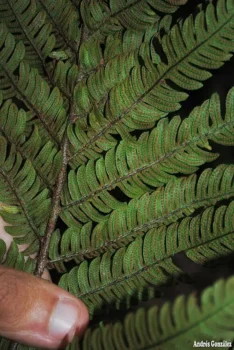
Brownhair Lacefern: A Delicate Native Beauty for Shady Southern Gardens
If you’re looking to add some delicate, feathery texture to your shade garden, the brownhair lacefern (Ctenitis submarginalis) might just be the perfect native addition. This charming southeastern native brings an understated elegance to woodland gardens with its intricate, lacy fronds and distinctive brownish hairs that give it both its common name and unique character.
Meet the Brownhair Lacefern
Don’t let the scientific name intimidate you – Ctenitis submarginalis is simply a lovely native fern that calls the southeastern United States home. You might also see it listed under its synonym Dryopteris submarginalis in older gardening references. As a perennial forb (a non-woody plant that comes back year after year), this fern is built to last in the right conditions.
Where Does It Call Home?
This native beauty has a fairly limited natural range, growing wild in Florida and Louisiana. Its status as a facultative wetland plant means it’s most at home in moist to wet conditions, though it can tolerate some drier spots if given enough shade and care.
- Species observed
- No observations
Why Consider Brownhair Lacefern for Your Garden?
Here’s what makes this fern special:
- Native credentials: Supporting local ecosystems by choosing plants native to the lower 48 states
- Unique texture: The fine, lacy fronds add delicate visual interest to shaded areas
- Low maintenance: Once established in the right spot, it’s relatively care-free
- Distinctive character: Those brownish hairs on the stems and leaf undersides set it apart from other ferns
Perfect Growing Conditions
Brownhair lacefern thrives in USDA hardiness zones 8-10, making it ideal for gardeners in the warmer southeastern regions. Think of it as a moisture-loving shade dweller that appreciates:
- Partial to full shade (direct sunlight is not its friend)
- Consistently moist to wet soil
- High humidity environments
- Protection from harsh winds
Where It Shines in Your Landscape
This fern works beautifully as:
- An understory accent in woodland gardens
- A naturalizing element in shaded areas
- Part of a native plant collection
- A textural component in rain gardens or wetland landscapes
Planting and Care Tips
Getting your brownhair lacefern established is straightforward if you remember its preferences:
- Timing: Plant in spring when soil is workable and temperatures are mild
- Soil prep: Ensure good drainage despite the plant’s love of moisture – soggy, stagnant water can cause problems
- Watering: Maintain consistent moisture, especially during establishment
- Fertilizing: Go easy on fertilizers – native ferns typically prefer lean conditions
- Mulching: A light layer of organic mulch helps retain moisture and suppress weeds
A Few Things to Keep in Mind
While brownhair lacefern is a wonderful native choice, it’s not the right fit for every garden. Its specific moisture and shade requirements mean it won’t thrive in sunny, dry locations. Additionally, like most ferns, it won’t provide direct benefits to pollinators since it reproduces through spores rather than flowers. However, it can still contribute to overall ecosystem health by providing habitat structure for small creatures.
Is Brownhair Lacefern Right for You?
If you’re gardening in zones 8-10 with plenty of shade and consistent moisture, and you appreciate the subtle beauty of native ferns, brownhair lacefern could be a delightful addition to your plant palette. It’s particularly well-suited for gardeners who want to create authentic southeastern woodland environments or support native plant communities.
Just remember – this isn’t a plant for sunny borders or drought-tolerant landscapes. But in the right spot, with its delicate fronds and distinctive brownish hairs catching dappled light in a shady corner, it’s absolutely charming.