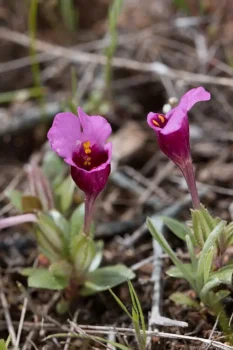
Brownies (Mimulus douglasii): A Charming Native Annual for Western Gardens
If you’re looking for a delightful native wildflower that brings both charm and ecological value to your garden, meet the brownies – scientifically known as Mimulus douglasii. Don’t let the name fool you; these aren’t the chocolate treats you’re thinking of! These petite beauties are actually members of the monkeyflower family, and they’re about to become your new favorite native annual.
What Makes Brownies Special?
Brownies are true natives of the western United States, naturally occurring in California and Oregon. As an annual forb, this herbaceous plant completes its entire life cycle in one growing season, making it perfect for gardeners who enjoy seasonal changes and don’t mind replanting each year.
- Species observed
- No observations
What sets brownies apart from other wildflowers is their distinctive monkey-face blooms. These small, tubular flowers typically display vibrant shades of purple, pink, or magenta, often with intricate markings that create the appearance of tiny monkey faces – hence the monkeyflower family name. The flowers are compact and numerous, creating a carpet of color when planted in groups.
Why Grow Brownies in Your Garden?
There are several compelling reasons to include brownies in your native plant palette:
- Pollinator magnet: These flowers are excellent for attracting bees, butterflies, and other beneficial pollinators to your garden
- Low maintenance: Once established, brownies require minimal care and are quite drought-tolerant
- Seasonal interest: As annuals, they provide fresh blooms each growing season
- Native plant benefits: Supporting local ecosystems and wildlife
- Versatile placement: Perfect for rock gardens, wildflower meadows, or as ground cover
Perfect Garden Settings
Brownies shine in several garden styles and locations:
- Native plant gardens and restoration projects
- Rock gardens and alpine settings
- Wildflower meadows and naturalized areas
- Seasonal container displays
- Pollinator gardens
Growing Conditions and Care
One of the best things about brownies is how adaptable they are to typical western growing conditions. Here’s what they prefer:
Sunlight: Full sun to partial shade, though they’ll bloom most prolifically with at least 6 hours of direct sunlight daily.
Soil: Well-draining soil is essential. They’re not particularly fussy about soil type but perform best in sandy or loamy conditions. Good drainage prevents root rot, especially during wetter periods.
Water: Interestingly, brownies have a facultative wetland status, meaning they can handle both moist and drier conditions. They typically prefer moderate watering but can tolerate some drought once established.
Climate: Best suited for USDA hardiness zones 8-10, which aligns perfectly with their native range in California and Oregon.
Planting and Maintenance Tips
Growing brownies successfully is quite straightforward:
Seeding: Direct seed in fall or early spring when soil temperatures are cool. The seeds are tiny, so mixing them with sand can help with even distribution.
Spacing: Allow adequate space for air circulation, typically 6-12 inches apart, depending on your desired coverage.
Watering: Water gently and consistently during germination and early growth. Once established, reduce watering frequency but don’t let plants become completely drought-stressed.
Maintenance: Deadhead spent blooms to encourage continued flowering. Since they’re annuals, allow some flowers to go to seed if you want them to self-sow for next year’s display.
Wildlife and Ecological Benefits
Beyond their ornamental value, brownies provide important ecological services. Their nectar-rich flowers support various pollinators, contributing to the health of your local ecosystem. As native plants, they’ve co-evolved with local wildlife and are much more beneficial than non-native ornamentals.
Is Brownies Right for Your Garden?
Brownies are an excellent choice for gardeners who appreciate native plants, enjoy seasonal color changes, and want to support local pollinators. They’re particularly well-suited for western gardeners in California and Oregon who are looking for low-maintenance, drought-tolerant options.
However, keep in mind that as annuals, you’ll need to replant each year unless you allow them to self-seed. If you prefer permanent plantings, you might want to combine brownies with perennial natives for a mixed approach.
With their charming monkey-face blooms, easy care requirements, and valuable ecological contributions, brownies deserve a spot in any western native plant garden. Give these delightful little wildflowers a try – your garden and local pollinators will thank you!