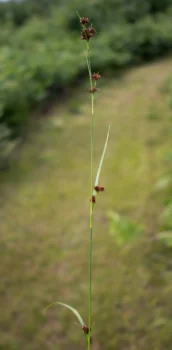
Brownish Beaksedge: The Unsung Hero of Wetland Gardens
If you’re looking to create a thriving wetland garden or need a reliable native plant for those soggy spots in your yard, let me introduce you to brownish beaksedge (Rhynchospora capitellata). This humble sedge might not win any beauty contests, but it’s absolutely essential for healthy wetland ecosystems and can be a game-changer for water-wise gardening.
What is Brownish Beaksedge?
Brownish beaksedge is a perennial sedge that belongs to the grass-like plant family. Don’t let the grass-like description fool you though – sedges have their own unique charm and ecological niche. This particular species gets its name from the small, brownish flower clusters that appear at the tips of its stems, resembling tiny beaks.
As a true native North American plant, brownish beaksedge has been quietly doing its job in wetlands for thousands of years. It’s found naturally from southeastern Canada down to the Gulf Coast states, making it one of our continent’s most widespread wetland sedges.
Where Does It Grow?
This adaptable sedge has claimed territory across an impressive range of states and provinces, including Alabama, Arkansas, California, Connecticut, Delaware, Georgia, Illinois, Indiana, Kansas, Kentucky, Louisiana, Maine, Maryland, Massachusetts, Michigan, Mississippi, Missouri, New Brunswick, New Hampshire, New Jersey, New York, North Carolina, Nova Scotia, Ohio, Oklahoma, Ontario, Oregon, Pennsylvania, Quebec, Rhode Island, South Carolina, Tennessee, Texas, Vermont, Virginia, West Virginia, and Wisconsin.
- Species observed
- No observations
Why Grow Brownish Beaksedge?
Let’s be honest – you’re probably not planting brownish beaksedge for its stunning visual appeal. This plant is all about function over form, and here’s why that’s actually pretty amazing:
- Wetland specialist: It’s classified as an obligate wetland plant across all regions, meaning it almost always occurs in wetlands and thrives in conditions that would drown other plants
- Erosion control: Its root system helps stabilize wet soils and prevent erosion along water edges
- Wildlife support: Seeds provide food for waterfowl and other wildlife
- Water filtration: Like other wetland plants, it helps filter and clean water naturally
- Low maintenance: Once established in the right conditions, it pretty much takes care of itself
Perfect Garden Settings
Brownish beaksedge isn’t destined for your formal flower border, but it absolutely shines in these specialized garden types:
- Rain gardens: Perfect for managing stormwater runoff
- Bioswales: Excellent for green infrastructure projects
- Pond edges: Creates natural-looking transitions around water features
- Wetland restoration: Essential for recreating authentic wetland ecosystems
- Native plant gardens: Adds authenticity to naturalistic plantings
Growing Conditions and Care
The secret to success with brownish beaksedge is understanding its wetland nature. This plant has very specific needs:
Sunlight: Thrives in full sun to partial shade, though it performs best with at least 6 hours of direct sunlight daily.
Soil: Must have consistently moist to wet soils. This isn’t a plant that tolerates drought – it needs that constant moisture to thrive.
Hardiness: Reliable in USDA zones 4-9, making it suitable for most temperate North American gardens.
Water: The more, the better! This plant can handle seasonal flooding and standing water.
Planting and Care Tips
Getting brownish beaksedge established is straightforward if you can meet its moisture requirements:
- Site selection: Choose the wettest spot in your garden – areas that stay soggy or even flood occasionally are perfect
- Soil preparation: No need for rich, amended soil – this plant prefers natural wetland conditions
- Planting time: Spring or early fall when temperatures are moderate
- Spacing: Plant in groups for the most natural appearance and ecological impact
- Maintenance: Virtually none once established – just let nature take its course
The Bottom Line
Brownish beaksedge won’t be the star of your garden, but it might just be the hardest-working plant you’ll ever grow. If you’re dealing with wet areas, want to support local ecosystems, or are creating sustainable water management solutions, this native sedge deserves serious consideration. It’s proof that sometimes the most valuable plants are the ones that work quietly behind the scenes, keeping our water clean and our ecosystems healthy.
Remember, not every plant needs to be a showstopper. Sometimes the real garden heroes are the ones that simply do their job well, year after year, without any fuss. Brownish beaksedge is definitely one of those plants.